
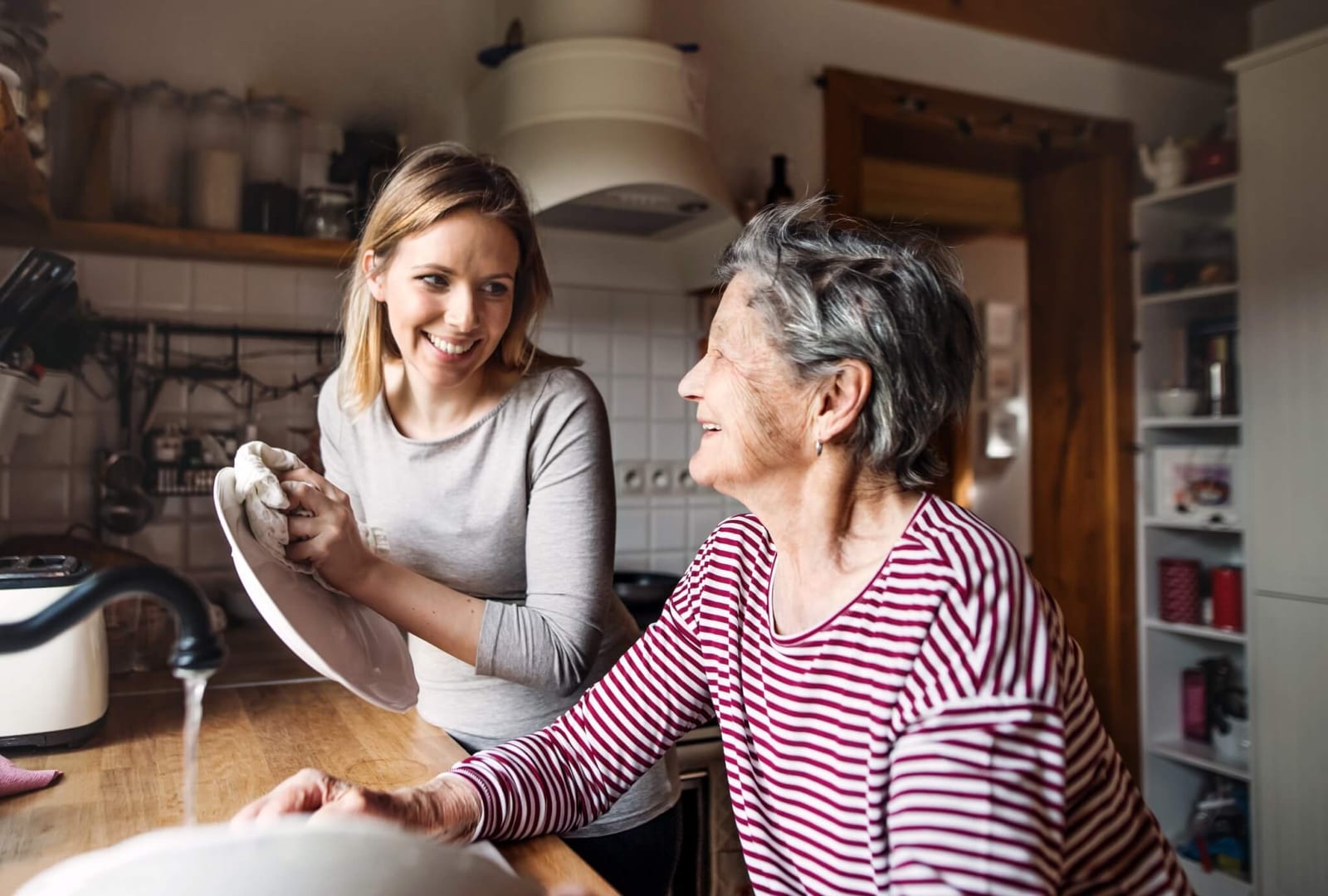
Caring for and learning how to help someone with dementia takes patience, compassion and caregiving strategies that shift as their needs change. If you’re a caregiver looking after a loved one with memory loss at home, you’re not alone in searching for practical, evidence-based tips and approaches that make daily life easier for both of you.
According to a recent study published by the Alzheimer’s Association, approximately 7.2 million Americans aged 65 and older are living with dementia, with that number projected to reach 13.8 million by 2060. The good news? Most individuals with Alzheimer’s disease and related dementias receive care at home from family members and friends like you.
Early intervention and appropriate care planning significantly improve outcomes for both individuals with dementia and their caregivers, which is exactly why we’ve crafted these 10 tips for dementia caregivers.
Whether you’re just beginning your journey with dementia caregiving or looking for better ways to manage challenges at home, these 10 tips for dementia caregivers will help you provide compassionate, effective dementia care at home, while protecting your own well-being.
Why Stage-Based Care Matters for at Home Dementia Support

Dementia progresses differently for everyone, but understanding where your loved one falls in the disease trajectory transforms how you approach and help care for dementia at home.
Rather than fighting inevitable changes, you can implement these 10 stage-based tips for dementia caregivers that align with what your loved one is currently experiencing.
The Global Deterioration Scale (GDS) divides Alzheimer’s into seven stages, while the Functional Assessment Staging Tool (FAST) measures functional decline through 16 stages and substages. These aren’t just clinical tools; they’re roadmaps that help you anticipate what’s ahead in the dementia caregiving process.
Dementia typically progresses through three phases: early (mild), middle (moderate) and late (severe). In early-stage dementia, caregivers can focus on preserving the independence of their loved one who is dealing with memory loss while establishing safety measures. Mid-stage dementia caregiving shifts toward managing behavioral changes and simplifying tasks. Late-stage care centers on comfort and connection.
Why does this matter? When it comes to determining how to help someone with dementia, communication techniques that work beautifully early on may not help—or could even distress your loved one—in later stages. Understanding the progression of dementia helps you implement the right strategies at the right time, making caregiving safer and more sustainable for everyone.
Early-Stage Dementia: Evidence-Based Tips for Caregivers Supporting Independence at Home

Early-stage dementia presents a unique window of opportunity in the caregiving process. Your loved one retains much of their personality and skills, yet subtle cognitive changes are beginning to affect daily life. This is when incorporating the right foundation and tips for dementia caregivers can dramatically influence the caregiving journey ahead.
During this phase, focus on three goals:
- Maintaining autonomy as long as possible for your loved one.
- Establishing routines and safety measures proactively.
- Planning for future dementia care while your loved one can still participate in those caregiving decisions.
To that end, these dementia tips for caregivers accomplish exactly that:
Dementia Caregiver Tip 1: Use Validation-Based Communication to Reduce Frustration
One of the most powerful tools for dementia care at home is validation therapy: acknowledging your loved one’s feelings and experiences rather than correcting them. When someone with memory loss expresses confusion or shares a distorted memory, resist the urge to correct them.
Research shows validation therapy can reduce agitation compared to standard care, while improving positive emotions and social interaction. This isn’t about lying; it’s about meeting your loved one where they are emotionally.
Try these dementia caregiving scripts at home:
When your loved one asks the same question repeatedly, avoid saying “I already told you that.” Instead try: “Let me check on that for you,” then provide the answer patiently. If they insist they need to go to work despite being retired: “Your job was so important to you. Tell me about what you did today?”
For household conflicts about misplaced items: “I can see you’re frustrated about your keys. That must feel unsettling. Let’s look together.” You’re acknowledging the emotion without arguing about facts.
Make sure all family members performing any caregiving activities use validation consistently when interacting with the loved one who has dementia. Mixed messages increase confusion.
Dementia Caregiver Tip 2: Establish Daily Routines and at Home Memory Supports
Predictability can be a comfort for those experiencing cognitive decline. Research demonstrates that structured routines substantially reduce anxiety in dementia. Cognitive Stimulation Therapy and occupational therapy interventions further support independence.
Create memory supports throughout your home:
- Label cabinets with words and pictures showing contents using large, clear fonts
- Install a whiteboard in a central location for daily schedules and appointments
- Create memory stations near entryways with designated spots for keys, wallet and phone
- Set up voice assistants in the kitchen, hallway and bedroom for medication reminders and routine cues
Build consistent routines: Keep meals, medications and bedtime at the same time daily. Build in pleasant rituals: morning coffee in a favorite chair, afternoon walks, evening phone calls. These anchors reduce anxiety and give your loved one something to look forward to.
Dementia Caregiver Tip 3: Make Early Home Safety Upgrades Before Issues Arise
Don’t wait for a fall to make your home safer when caring for a loved one with dementia. Each year there are approximately 1 million hospitalizations resulting from falls, with one in four adults aged 65+ falling each year. Home safety interventions significantly reduce fall rates.
Essential safety modifications:
- Bathroom: Install non-slip mats inside and outside the shower. Add a shower chair and a handheld showerhead. Apply bright tape to tub edges for visibility.
- Lighting: Add motion-sensing night lights in hallways, bathrooms and bedrooms. Install task lighting above stairs and in closets.
- Kitchen: Invest in automatic stovetop shutoff devices. Reorganize with clear containers and labels. Lock away dangerous items.
- Medications: Create a locked storage station. Use clearly labeled pill organizers. Keep a master medication list accessible.
- Additional measures: Remove throw rugs, install grab bars near toilets and in showers and clear walkways of clutter.
Dementia Caregiver Tip 4: Encourage Cognitive and Sensory Activities Backed by Research
Meaningful activities provide therapeutic benefits for those with dementia. Music therapy reduces anxiety and agitation, multi-sensory stimulation improves mood and cognitive activities benefit quality of life.
The following tips are a great start for dementia caregivers to incorporate:
- Music: Create playlists from your loved one’s young adulthood (ages 18-25). Play during meals, bathing or times when agitation typically occurs.
- Meaningful tasks: Engage them in sorting activities, like folding laundry, organizing buttons by color, arranging flowers or setting the table.
- Simple cooking and gardening: Involve them in washing vegetables, stirring ingredients or tending container gardens.
- Sensory items: Use soft blankets, photo albums, scented lotions or a “sensory box” with textured fabrics, smooth stones and meaningful objects.
Follow your loved one’s lead. If they seem frustrated, don’t force it. Offer choices between two options and celebrate small successes.
Dementia Caregiver Tip 5: Set Up Medical, Legal and Care Planning Documents Early
While your loved one can still participate meaningfully, establish legal and medical frameworks. Early advance care planning reduces emergency visits while improving quality of life.
- Essential documents: Work with an elder law attorney to establish Durable Power of Attorney for Healthcare and Finances, Living Will and HIPAA authorizations.
- Home information system: Designate a specific location for critical documents. Create a three-ring binder with current medications, allergies, medical history, provider contacts, insurance information and test results.
- Share with family: Schedule a family meeting to review documents and responsibilities. Provide copies to designated family members. Create an emergency contact sheet for respite caregivers.
Mid-Stage Dementia: Tips for Caregivers Supporting Safety and Structure at Home

As dementia progresses into the mid-stage, your loved one will require more hands-on caregiving assistance. Memory loss deepens, communication becomes more difficult and behavioral changes grow more pronounced.
This stage typically lasts the longest and demands the most intensive dementia care protocols when providing caregiving at home. Focus shifts to modifying your environment, managing challenging behaviors and building a sustainable care system that prevents burnout.
These are our top tips for dementia caregivers navigating the mid-stage phase.
Dementia Caregiver Tip 6: Modify the Home to Support ADLs (Activities of Daily Living)
Activities of Daily Living (e.g., bathing, dressing, eating, toileting) become increasingly challenging with mid-stage dementia. Your loved one isn’t refusing help; their brain can’t process the steps. Occupational therapy-led modifications improve daily functioning, and dementia-friendly design reduces agitation.
- Bathroom: Install grab bars on both sides of the toilet and inside the shower. Add a raised toilet seat and shower chair. Mark hot/cold faucets with colored tape.
- Bedroom: Keep pathways from the bed to the bathroom clear. Install motion-activated lights. Place a bedside commode if bathroom trips are dangerous. Remove mirrors if they cause confusion.
- Kitchen: Put frequently used items within easy reach. Lock away cleaning supplies and sharp knives. Install stove locks if cooking is unsafe. Pre-portion snacks in clear containers.
- Throughout the home: Clear walking paths of obstacles. Secure or remove area rugs. Ensure adequate lighting everywhere. Mark steps with brightly colored tape. Install motion-sensing lights in key areas.
Dementia Caregiver Tip 7: Use Behavioral Management Techniques Backed by Evidence
Mid-stage dementia often brings agitation, paranoia, bathing refusal and sundowning. These aren’t personality changes—they’re symptoms of brain damage and attempts to communicate unmet needs.
Non-pharmacologic behavioral interventions reduce distress, validation with redirection proves effective and sundowning responds better to environmental interventions than medications.
Tips and scripts for dementia caregivers to use:
- “I want to go home”: This usually expresses a feeling. Try: “Tell me about your home. What do you miss most?” Listen, validate, then redirect: “Let’s have some tea together.”
- Paranoia: “That must feel upsetting. What are you looking for? Let’s search together.” Keep duplicates of frequently “lost” items.
- Hygiene refusal: Make the bathroom warm first. Play their favorite music. Use gentle language: “Let’s get refreshed.” Break tasks into small steps. Consider hiring a home health aide if bathing becomes contentious.
- Evening agitation: Close curtains as daylight fades, turn on warm lighting, reduce stimulation, play calming music and offer a light snack.
Remember: as the caregiver, you must change your approach because your loved one cannot change theirs.
Dementia Caregiver Tip 8: Simplify Tasks Using Home-Based Occupational Therapy Methods
As cognitive abilities decline, once-simple tasks can become overwhelming. Breaking tasks into simple steps reduces confusion, and visual cues enhance independence.
These small modifications and tips can make a meaningful difference as dementia caregivers looking to help our loved ones:
- Pre-select clothing: Each evening, lay out the next day’s complete outfit in order. Remove other clothing from view. Eliminate complex fasteners.
- Pre-portion meals: Designate one refrigerator shelf with ready-to-eat items. Pre-cut produce. Pour single servings into smaller containers.
- Create a task zone: For food prep, set out everything needed in one clear space with minimal distractions.
- Use demonstration: Instead of verbal instructions, hold up the shirt and demonstrate putting arms through sleeves while guiding their hands.
These approaches allow your loved one to participate rather than becoming passive, maintaining purpose and skills longer.
Dementia Caregiver Tip 9: Create a Calming Home Environment to Reduce Agitation and Sundowning
Your home environment powerfully influences behavior. Light therapy helps regulate circadian rhythms, aromatherapy reduces agitation and consistent evening routines improve sleep.
- Adjust lighting: Maximize natural light during morning and afternoon. Gradually dim as evening approaches using warm-toned bulbs. Avoid harsh overhead fluorescents.
- Use sound strategically: Sound machines with nature sounds mask startling noises. Limit background noise—turn off TV unless actively watching.
- Incorporate comfort items: Keep favorite blankets and soft textures accessible. Create a designated “comfort corner” with a favorite chair, soft lighting and familiar photos.
- Establish evening routines: Close curtains around 4-5 PM, transition to calm activities, offer light dinner, play soft music and follow the same bathroom/bedtime sequence.
- Avoid overstimulation: Choose programming carefully—nature documentaries and calm music work better than dramatic content. Your loved one may not distinguish TV content from reality.
Dementia Caregiver Tip 10: Build a Sustainable at Home Care System to Prevent Burnout
This is the most critical tip: you cannot pour from an empty cup. Dementia caregivers experience significantly higher rates of depression and health problems. Respite services significantly improve caregiver wellbeing and structured routines reduce caregiver burden.
- Create realistic schedules: Document current routines in writing. Identify which caregiving tasks are essential, which can happen less frequently and can be eliminated. Build in buffer time.
- Take micro-breaks: When your loved one is engaged safely, take 10-15 minutes for yourself—step outside, practice deep breathing or listen to music. These aren’t luxuries; they’re necessary resets.
- Share duties: Create a written schedule of who does what and when. If family lives far away, they can research resources, manage paperwork or schedule appointments.
- Use respite services: Adult day programs provide supervised care and social interaction. Start using them before you’re desperate. Reach out to your local Area Agency on Aging for guidance.
- Set boundaries: As the at home dementia caregiver, you’re allowed to have needs and to be tired. Boundaries protect your capacity for long-term care. This might mean designated “off duty” hours or accepting that certain household standards are no longer priorities.
Building a sustainable dementia care system isn’t selfish. It’s a strategic caregiver tip, because at the end of the day the most important resource your loved one has is you.
Late-Stage Dementia: Tips for Caregivers Providing Comfort and Safety at Home
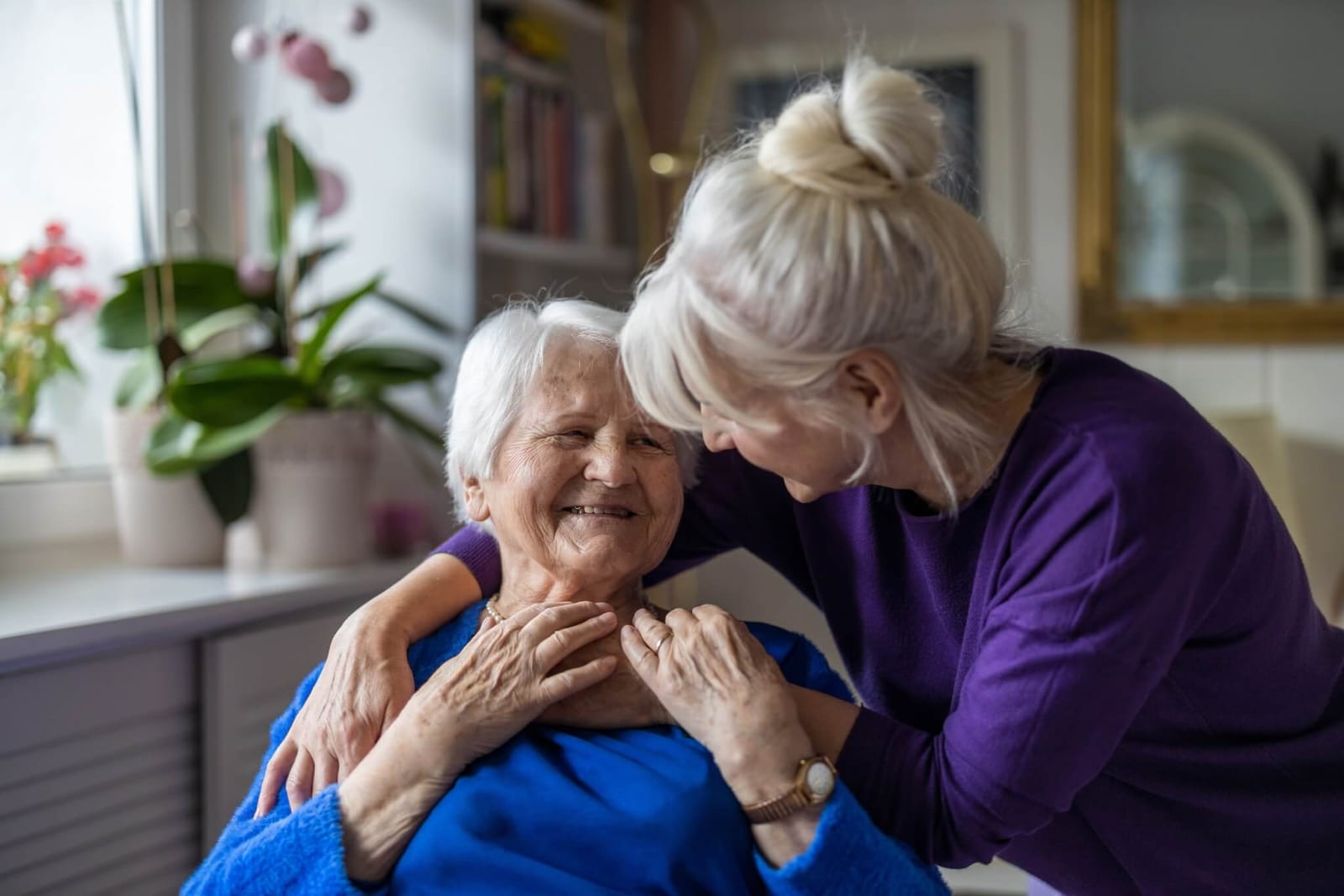
When it comes to how to help someone with late-stage dementia, it’s important to remember that we’re talking about around-the-clock care. Communication at this stage becomes extremely limited, mobility declines significantly and care shifts from maintaining independence to ensuring comfort and dignity.
Bonus Tip 1: Use Evidence-Based Comfort Approaches
In late-stage dementia, comfort is the primary caregiving goal. Palliative care principles improve quality of life, and non-pharmacologic comfort measures work without medication side effects.
Incorporate the following dementia caregiving tips into your daily routine:
- Reduce noise: Keep your home quieter; minimize TV volume, reduce traffic in their room, speak gently and avoid sudden loud sounds.
- Adjust temperature and lighting: Monitor room temperature carefully (68-74°F). Check hands and feet for warmth. Use soft, natural lighting during the day and dim lighting at night.
- Ensure comfortable positioning: Change their position every 2-3 hours to prevent pressure sores. Use pillows for support. Consider specialty cushions or mattresses.
- Monitor for pain: Watch for facial grimacing, increased agitation, moaning, resisting care or changes in eating/sleeping. Keep a pain assessment log and share with your loved one’s healthcare providers.
Bonus Tip 2: Connect Through Sensory Experiences
When verbal communication becomes impossible, sensory connection maintains the relationship. Music therapy benefits persist in late-stage dementia, touch therapy improves mood and reminiscence therapy can elicit positive emotions.
The following tips for dementia caregivers are a great place to start:
- Read aloud: Hearing your voice reading familiar stories, poems or religious texts provides comfort even when comprehension is gone.
- Gentle touch: Hold hands, gently stroke arms, brush hair slowly or offer hand massages with unscented lotion. Watch facial expressions to ensure touch is welcome.
- Familiar items: Bring soft blankets they’ve used for years, meaningful photos or small objects they loved handling. For former cooks, the smell of baking bread might trigger positive responses.
- Play familiar music: Create playlists from their youth. You might notice foot taps, humming, momentary alertness or peaceful relaxation.
Bonus Tip 3: Recognize When at Home Care Isn’t Safe
There may come a point in the caregiving journey when dementia care at home is no longer safe or sustainable. The FAST scale helps identify when 24-hour supervision becomes necessary, and research indicates professional care often becomes necessary for complex medical needs.
- Safety red flags: Your loved one requires two-person transfers you can’t safely perform, experiences frequent falls despite modifications, needs medical interventions beyond your training, shows aggressive behaviors putting others at risk or requires frequent hospitalizations.
- Assess your capacity: Are you getting enough sleep? Is your own health deteriorating? Have you isolated from all support? Is your relationship with family suffering? Are you experiencing thoughts of harming yourself or your loved one?
- Prepare for transitions: Research memory care facilities, skilled nursing and hospice services before crisis forces a decision. Visit facilities. Understand financial aspects. Talk with a social worker.
Transitioning to professional care doesn’t mean you’ve failed; it means you’ve recognized the limits of what one person can safely provide. Sometimes, determining how to help someone with dementia means understanding when it’s no longer safe for you to continue at home caregiving.
Bonus Tip 4: Prepare For Home Emergencies
Late-stage dementia increases vulnerability to medical emergencies, including falls, choking, infections and sudden behavioral changes.
People with dementia face unique challenges during emergencies that at home caregivers should be aware of. They may not understand what’s happening, may forget instructions and can become more confused under stress.
Having an emergency plan in place helps you respond quickly and effectively when urgent situations arise, reducing panic and ensuring your loved one receives appropriate care.
- Information by the door: Create an emergency packet with: one-page medical summary (diagnoses, medications, allergies, doctor contact), DNR/POLST if applicable, emergency contacts, insurance information and a recent photo.
- Sudden confusion: Consider medical causes—urinary tract infections often present as behavioral changes. Also check for constipation, medication issues, dehydration or pain.
- When aggression requires evaluation: Physical aggression toward caregivers and self-harm behaviors require immediate assessment. Call your doctor’s emergency line or emergency services.
- Emergency kit: Keep medications, advance directive copies, emergency contacts, incontinence supplies, comfort items, flashlight and first aid supplies accessible.
Register with the Alzheimer’s Association’s MedicAlert + Safe Return program if your loved one wandering is a concern.
How to Use Technology to Help Someone Live with Dementia at Home

Technology enhances safety when receiving care at home and reduces dementia caregiver stress. Research supports GPS wearables for reducing wandering anxiety, automated medication dispensers for improving adherence and smart home monitoring for maintaining oversight without constant physical presence.
When it comes to determining how to help someone with dementia, safety is critical. These devices make the dementia caregiving process more manageable:
- Bed and chair alarms: Alert you when your loved one gets out of bed or stands up, preventing falls.
- Automatic stove shutoff: Devices turn off the stove after set times or when detecting smoke, preventing kitchen fires.
- Voice-activated routines: Smart speakers provide reminders for medications, meals and bedtime.
- GPS-enabled wearables: Tracking devices, such as watches or pendants, locate your loved one if they wander. Geofencing alerts you when they leave safe areas.
- Smart lighting: Programmable bulbs adjust throughout the day; brighter during morning, gradually dimming in the evening and activating on motion overnight.
- Medication dispensers: Electronic dispensers with locks dispense correct doses at scheduled times and alert dementia caregivers if doses are missed.
Introduce technology gradually. Prioritize simplicity. Balance monitoring with privacy and respect. Remember: technology supports the dementia caregiving process, but it never replaces human care and connection.
The Greatest Way to Help Someone with Dementia is to Help Yourself as The Caregiver

Throughout this guide, we’ve emphasized how to help someone with dementia with evidence-based strategies and tips for dementia care at home. But here’s the truth: the most effective intervention for your loved one’s well-being is protecting your own.
Dementia caregiving isn’t a sprint; it’s a marathon that can last years. Without intentional attention to your physical, emotional and mental health as the at home caregiver, you cannot provide the quality care your loved one living with dementia deserves.
The research is clear: dementia caregivers experience higher rates of depression, anxiety, sleep disorders and physical health problems. But caregivers who engage in self-care, use respite services and connect with support systems experience significantly better outcomes, both for themselves and their loved ones.
- Recognize burnout early: Warning signs of burnout from dementia caregiving include persistent exhaustion, irritability toward your loved one, withdrawing from activities, feeling hopeless, neglecting your own health or experiencing physical symptoms like headaches or frequent illness.
- Build your support network: You don’t have to do this alone. Support comes through professional respite care, adult day programs, family members with specific responsibilities, friends who can provide short relief, professional therapists and dementia caregiving support groups.
- The vital role of support groups: Support groups offer understanding from people who truly get it. They provide practical tips for dementia caregivers, emotional validation, a safe space for difficult emotions and information about resources.
If you’re in the Roaring Fork Valley, Aspen Valley Health’s Whitcomb Terrace offers a Support for Memory Loss Caregivers event specifically for individuals caring for loved ones with dementia and Alzheimer’s.
These meetings provide a confidential, supportive environment where you can share experiences and receive guidance from professionals who understand dementia care at home.