
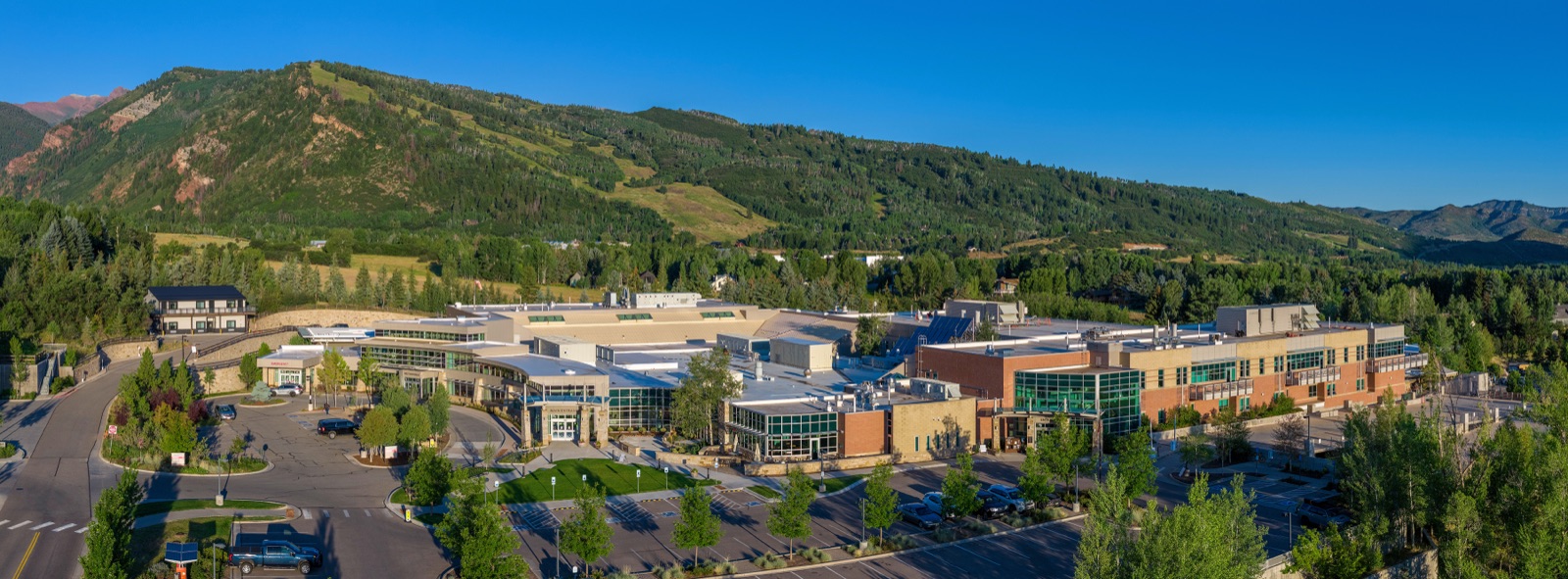
Aspen Valley Health (AVH) has earned recertification as a Level III Trauma Center from the Colorado Department of Public Health and Environment (CDPHE)—receiving extraordinary praise from state reviewers, who described the program as the “gold standard” for Level III trauma programs in Colorado.
The redesignation follows an intensive multi-day review process by a team including trauma surgeons, emergency medicine physicians, trauma nurses and state representatives. The review evaluates everything from patient outcomes and clinical protocols to staff readiness, equipment, interdepartmental coordination and emergency response systems.
According to the survey results, AVH met all criteria for redesignation without a single deficiency or reservation—an uncommon outcome and the second consecutive review cycle in which the hospital has achieved that distinction. CDPHE conducts AVH’s Level III Trauma Center review every three years.
“This recognition reflects an enormous multidisciplinary effort and speaks volumes about the depth and breadth of care available at Aspen Valley Health,” said Dr. Richard Becker, CEO of Aspen Valley Health. “It is emblematic of the coordination and excellence across departments, agencies and clinical teams throughout our organization and community.”
Reviewers specifically praised AVH’s trauma care systems, coordination with EMS agencies and ski patrol partners, and several advanced services not commonly found at Level III trauma centers—particularly in a rural critical access hospital setting.
“Trauma care is not just about surgeons or emergency physicians. It requires seamless collaboration with EMS, ski patrol, nursing, radiology, laboratory staff, operating room teams, rehabilitation specialists and administration,” said Dr. Christopher Roseberry, trauma program medical director and chief of medical staff at AVH. “Every person involved plays a critical role in delivering exceptional care to our patients.”
“A common misconception is that trauma care is inherently better elsewhere,” continued Dr. Roseberry. “Level III designation reflects which specialty services are available onsite—not the quality of care. The reviewers told us our trauma care was exceptional and even commented that some Level I and II centers could learn from our systems and processes.”
Since its previous designation review, AVH has continued to expand its trauma capabilities. Among the services highlighted during the review:
- Advanced chest wall reconstruction and rib plating procedures that allow many patients injured in skiing, biking and fall accidents to remain in Aspen for care rather than requiring transfer to larger tertiary hospitals.
- Comprehensive traumatic brain injury and concussion rehabilitation programs that provide coordinated inpatient and outpatient care for head injury patients.
- A regional trauma-response partnership with local EMS agencies and ski patrol teams that reviewers described as “highly unusual and exceptional” for its level of integration, training and collaboration.
- The use of whole blood transfusion protocols for trauma patients, an emerging best practice which has been shown to improve outcomes compared to traditional packed red blood cell transfusion strategies, still uncommon among hospitals of AVH’s size.
Leadership at AVH says the redesignation reflects years of investment in trauma readiness, staff education, quality improvement and coordinated emergency response systems.
AVH’s trauma program team—including Trauma Program Manager Jill Kennedy, Trauma Nurse Coordinator Becky Needham and Trauma Registrar Bob Middlecamp—reviews every trauma case treated at the hospital to monitor outcomes, identify improvement opportunities and maintain statewide reporting standards.
In 2025 alone, the hospital tracked and reviewed nearly 450 trauma patients.
The redesignation also underscores the breadth of collaboration required to sustain trauma services in a mountain community, involving emergency medicine, surgery, nursing, rehabilitation, radiology, laboratory teams, EMS providers and regional public safety partners.
“Trauma care is never the work of one department,” Dr. Becker said. “This recognition belongs to an entire network of caregivers and first responders committed to delivering exceptional care close to home.”
About Aspen Valley Health
Founded in 1891, Aspen Valley Health is a community-supported, not-for-profit health system serving Aspen and the Roaring Fork Valley. Recently rebranded from Aspen Valley Hospital to reflect its comprehensive approach to supporting the community’s health, Aspen Valley Health provides care through its critical access hospital, Level III trauma center and network of providers, clinics and services. The health system is nationally recognized for quality, ranking in the top 95th percentile for inpatient experience, and offers services across 25 fields of medicine, with expanded expertise in orthopedics and sports medicine through partnership with The Steadman Clinic.