
What you Need to Know Before Going Backcountry Skiing
If you’re planning to uphill on the resort or venture into the backcountry for the first time this winter, here are a few tips to help you keep safe and ensure you have fun.
Don’t go alone:
Ski area services like ski patrol and avalanche mitigation aren’t available beyond the resort boundaries and aren’t available on the resort outside of daytime operating hours. You’ll need to be self-sufficient or rely on the group you’re with, in case of emergency. A reliable partner (or two) is a requirement for backcountry skiing and can also make a trek up the ski hill a bit more enjoyable.
Be prepared:
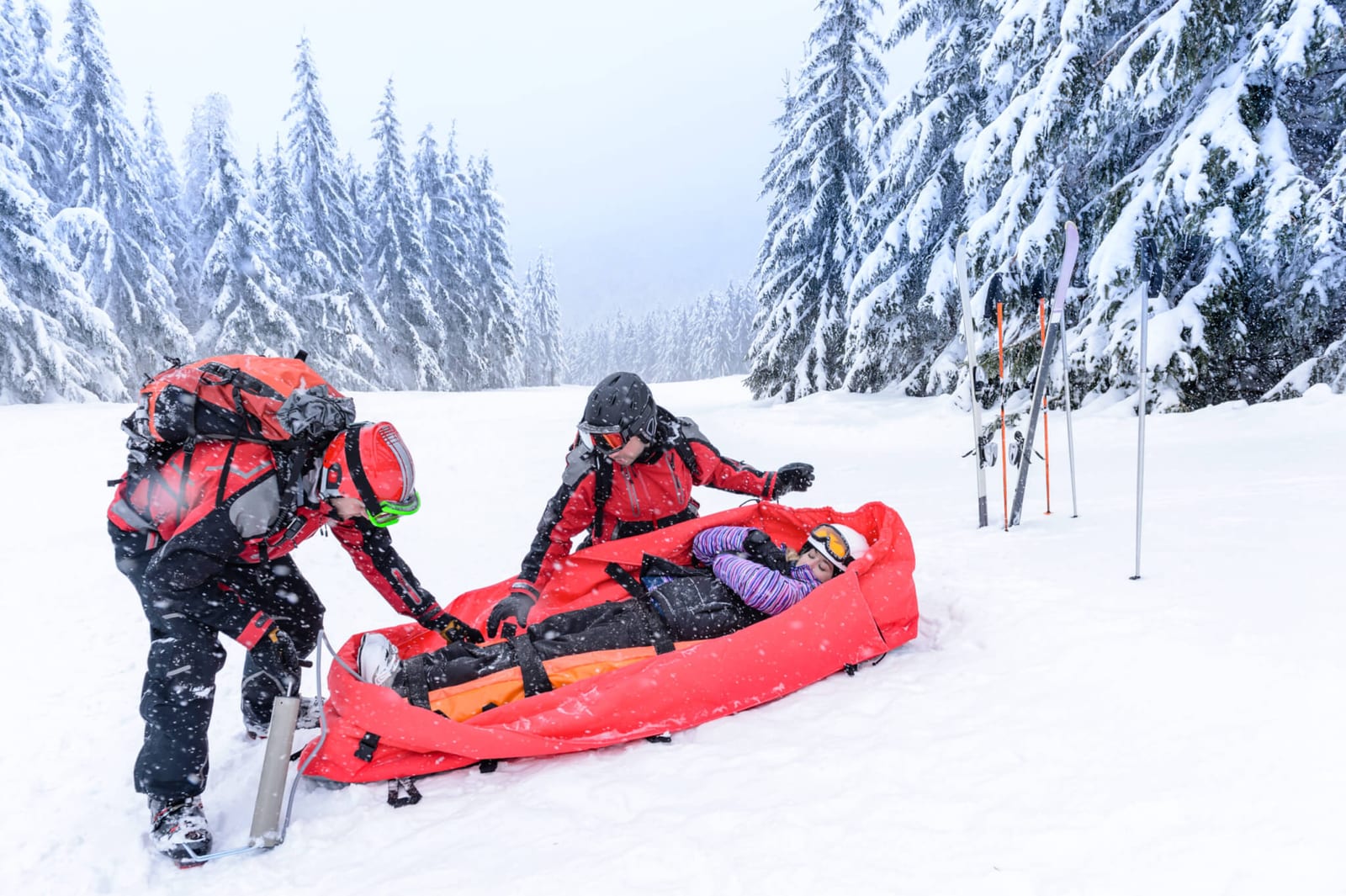
Even for short trips, pack a first aid kit and know how to use it. A small number of supplies can help you control bleeding, splint a broken arm or sling a dislocated shoulder to get back to town on your own. More significant injuries may require external resources, so whether you’re on the resort or deep in the woods, bring a communication device to summon help. For areas without cell phone coverage, consider bringing along a satellite communicator.
Take care of yourself:
Don’t underestimate the temperature drop and wind chill as you gain elevation or the sun begins to set. Weather forecasts, webcams, and remote weather station data are great resources to get an idea of what to expect. At a minimum, pack a wind shell, a warm insulated jacket, dry gloves, and a hat. For longer outings, include plenty of snacks and water. A warm drink in an insulated thermos will make you look like a pro. If you are traveling in the backcountry, be sure to bring avalanche rescue equipment including a transceiver, shovel, and probe.
Plan ahead:
If you’re heading up the resort, research the rules including designated uphill routes, time restrictions, and dog policies. Remember that up hilling access is a privilege, and resorts are designed for downhillers. Keep yourself visible at all times, wear lights at night so the groomers can see you, and stay out of closed areas where the ski patrol may be conducting avalanche control.
ALWAYS OVER PREPARE FOR BACKCOUNTRY SKIING
If you’re exploring the backcountry, you’ll need to do a bit more preparation. Check the local avalanche forecast to help determine appropriate options. Plan your route on a map paying particular attention to slope angles, slope aspect, and elevation. If you aren’t sure what those terms mean and why they’re important, then take an avalanche education class. To help you get started, visit a local retailer, or hire a guide.
Visit our Ski Preparation & Safety Guide to better prepare yourself for the ski season.
by Mark Falender. Critical Care Paramedic, IFMGA/AMGA Mountain Guide.