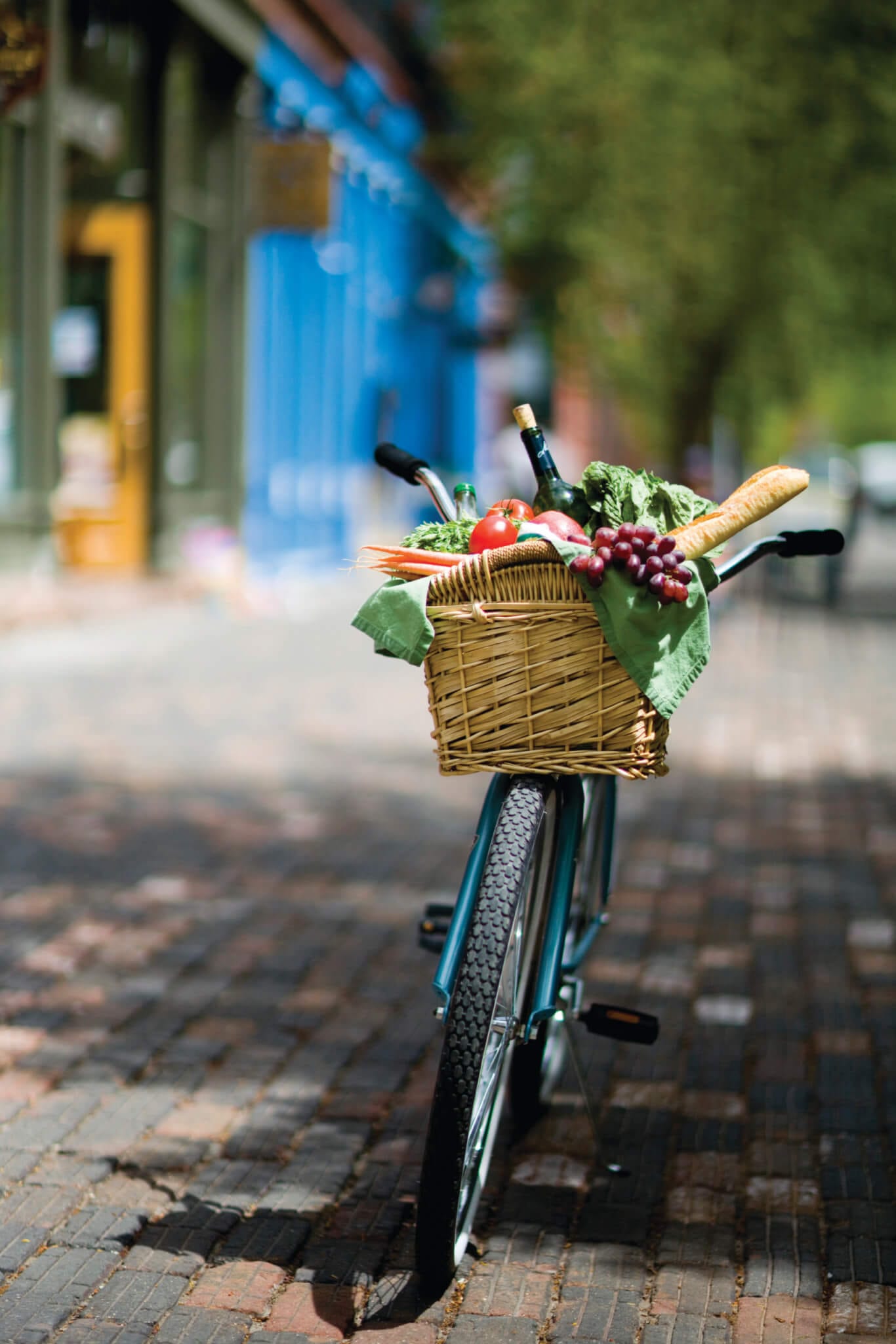
Fresh, seasonal produce tastes better—and is better for the planet. Plan your summer menu with this roadmap to local fare.
The peak produce season is upon us, with tender greens, crisp cucumbers and juicy tomatoes ripe for the picking. Summer’s bounty invites us to savor the flavors of the season—and the joys of locally grown goodness. Read on to get your guide to eating local in the Roaring Fork Valley.
The Benefits of Eating Local
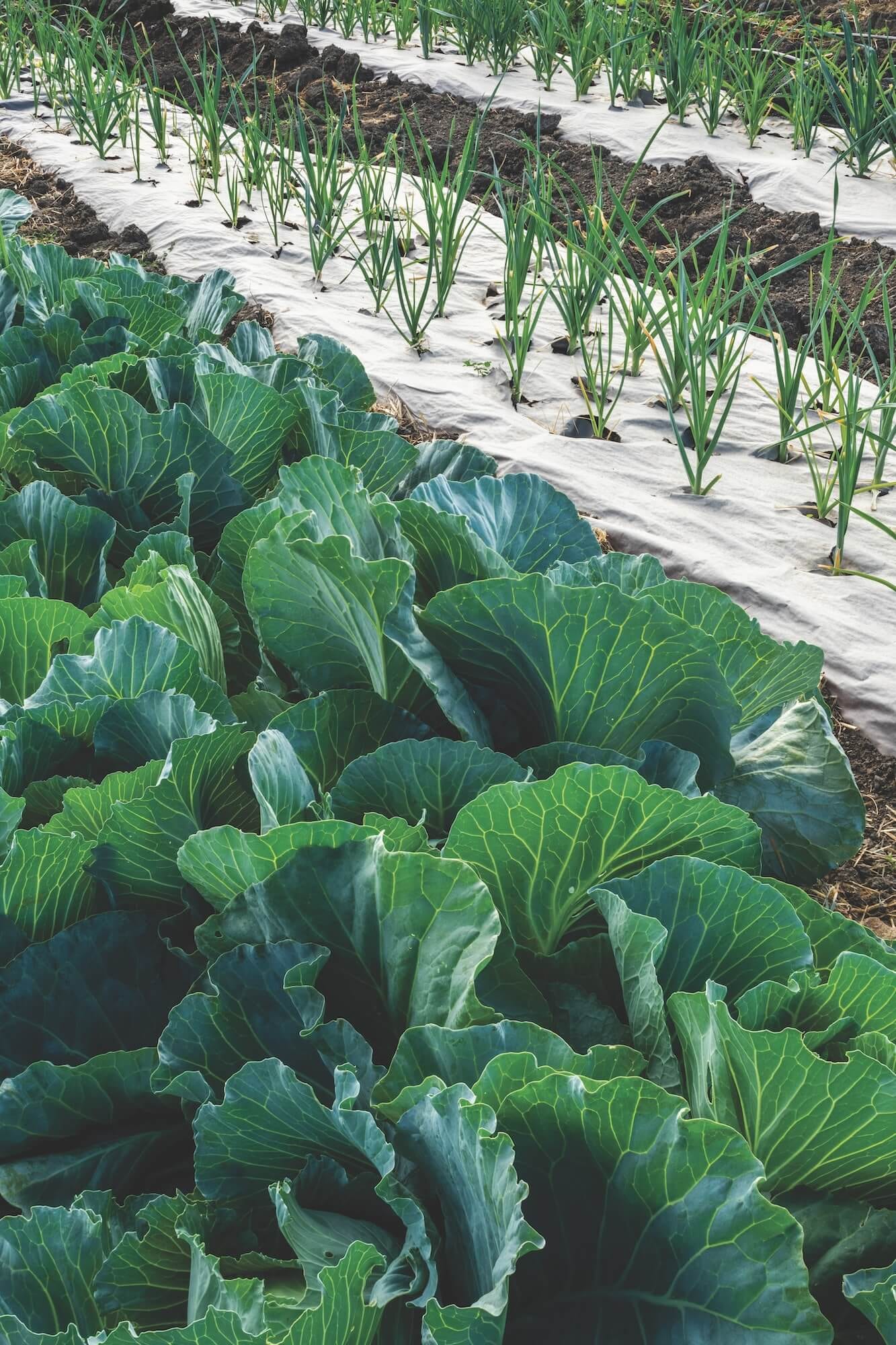 Once, eating locally was the norm for most people. Here in the Roaring Fork Valley, the Native American Ute Tribe hunted and foraged on these lands. Then, starting in the 1880s, settlers began to raise beef and cultivate potatoes and grains to supply the regional mining communities. This food was produced and consumed locally, and people ate seasonally.
Then during the last century, industrialized agriculture transformed our approach to eating local. Over the last 20 years, though, the farm-to-table movement has renewed our interest in local, seasonal ingredients.
Harnessing Peak Nutrition
Local produce is often fresher than commercially farmed food because it is harvested closer to peak ripeness, compared with produce picked prematurely to withstand transportation. When picked at its peak, produce has a higher concentration of nutrients—and often less exposure to preservatives and pesticides. This makes eating local better for your body.
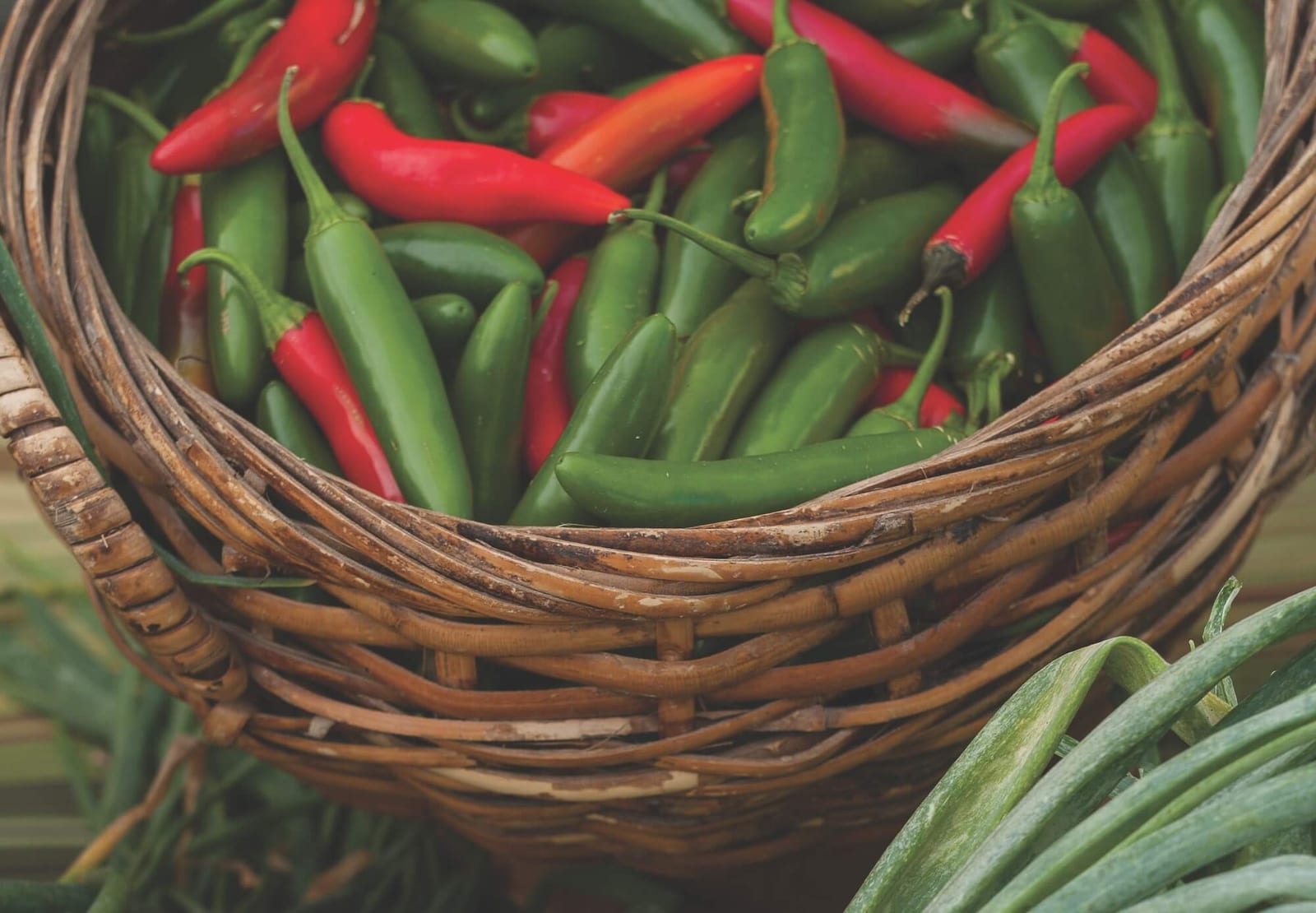 What’s more, it’s better for the planet. Farm-to-table eating reduces the need for food production, which helps lower carbon emissions from long-distance transportation and limit the use of pesticides and water for irrigation.
“Eating a plant-based diet is associated with lower weight and lower risk of cardiovascular disease and chronic illness. As a dietitian and diabetes educator, I always emphasize the importance of incorporating more fruits and vegetables into a healthy diet,” said Laurie Osier, RDN, CDCES, who advises diabetes patients on nutrition that fits into their lifestyles. “Choosing local foods picked at peak ripeness can help you get the highest nutritional value from these foods.”
Local produce is often fresher than commercially farmed food because it is harvested closer to peak ripeness, compared with produce picked prematurely to withstand transportation.
“While eating fruits and vegetables is beneficial year-round, eating locally in season gives you an opportunity to meet and support the people who grow your food—and experience peak taste and nutrient content.”
LAURIE OSIER, RDN, CDCES
Summer’s Moveable Feast
Now that you know more about the benefits of eating local, focus on enjoying the freshest flavors as the season progresses. Early in the season, tender greens and cool-tolerant produce are at their peak: Look for salad greens, peas and kale in June. By July, you’ll find green beans and beets. By late summer and early fall, tomatoes, summer squash, carrots and potatoes are at peak flavor and abundance.
“While eating fruits and vegetables is beneficial year-round, eating locally in season gives you an opportunity to meet and support the people who grow your food—and experience peak taste and nutrient content,” said Laurie. “Have fun and be adventurous: Try a new flavor, a new color or an heirloom variety. Food is meant to be enjoyed, and it’s easier to meet nutritional guidelines when our produce tastes better.”
Local farmers plant and harvest a variety of vegetable cultivars you won’t find in stores, including heirloom varieties. Here in the Roaring Fork Valley, our high elevation, favorable climate and soil condition are ideal for potato growing. This means you are likely to have more choices at local markets than when shopping in the grocery store, from Rio Grandes and Red McClures to purple potatoes and fingerlings.
Finding Your Fresh Produce Fix
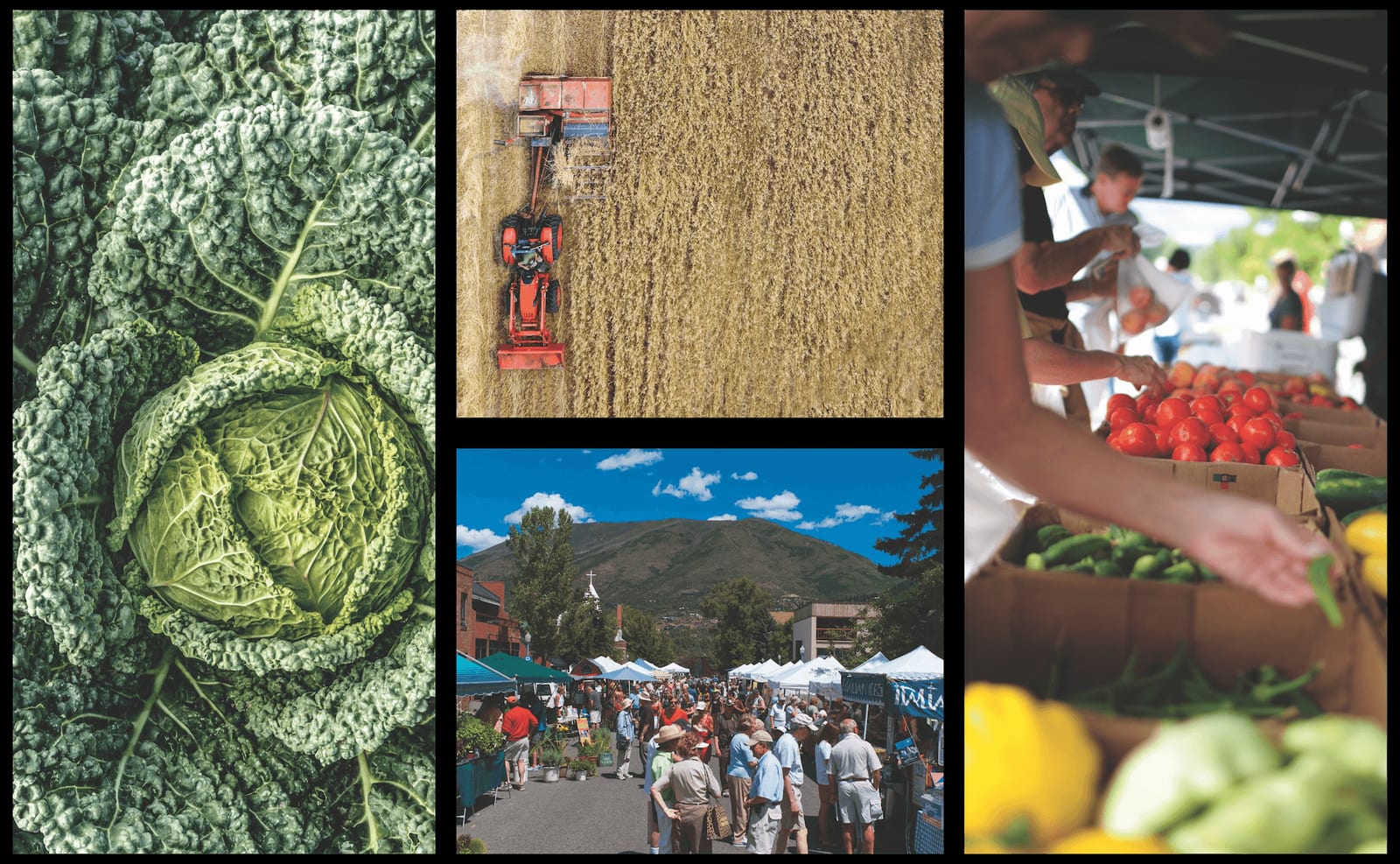
Explore fresh, local produce and more at these farmers markets this summer as part of this guide to eating local.
This article originally appeared in the Summer 2024 issue of Healthy Journey Magazine.