
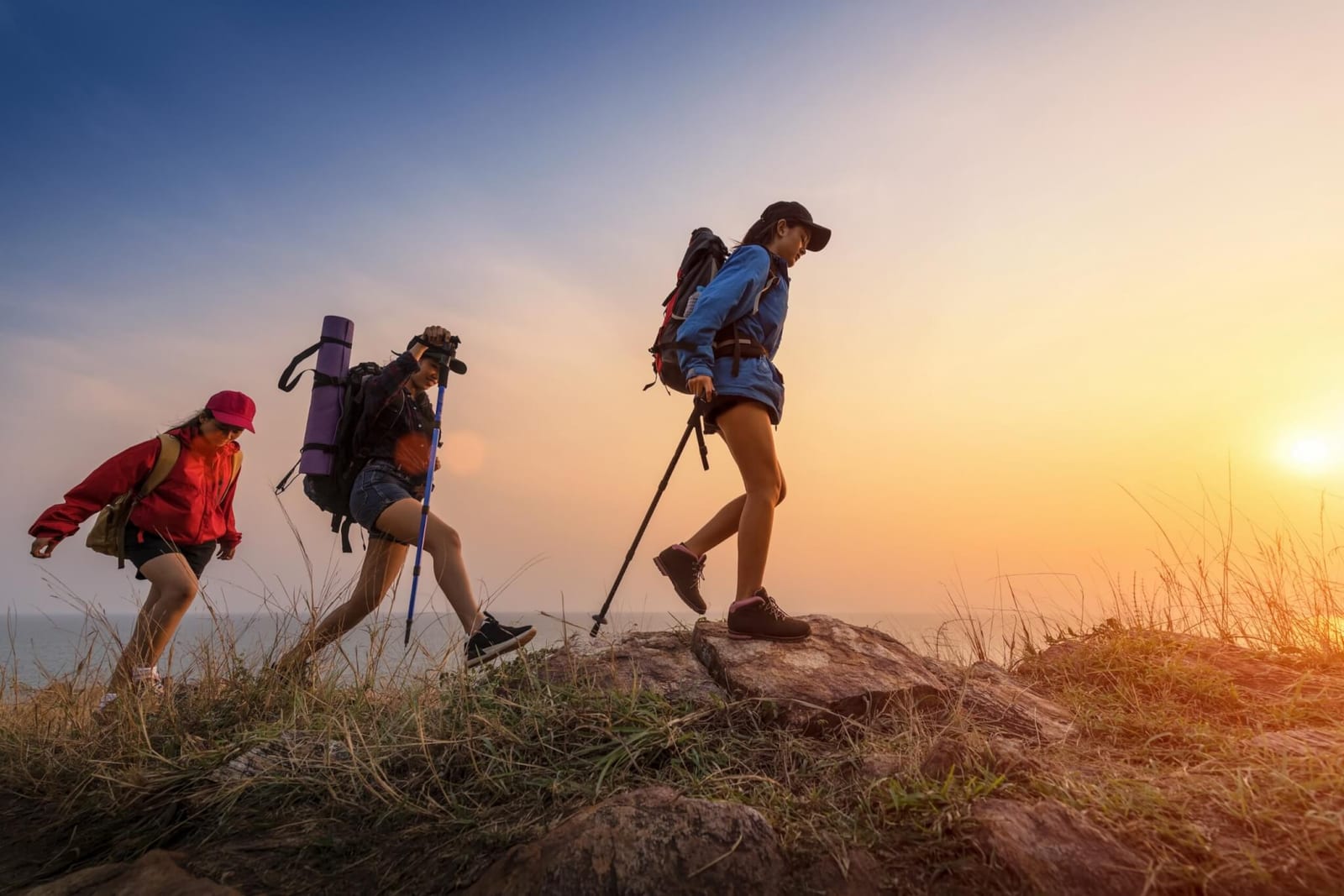
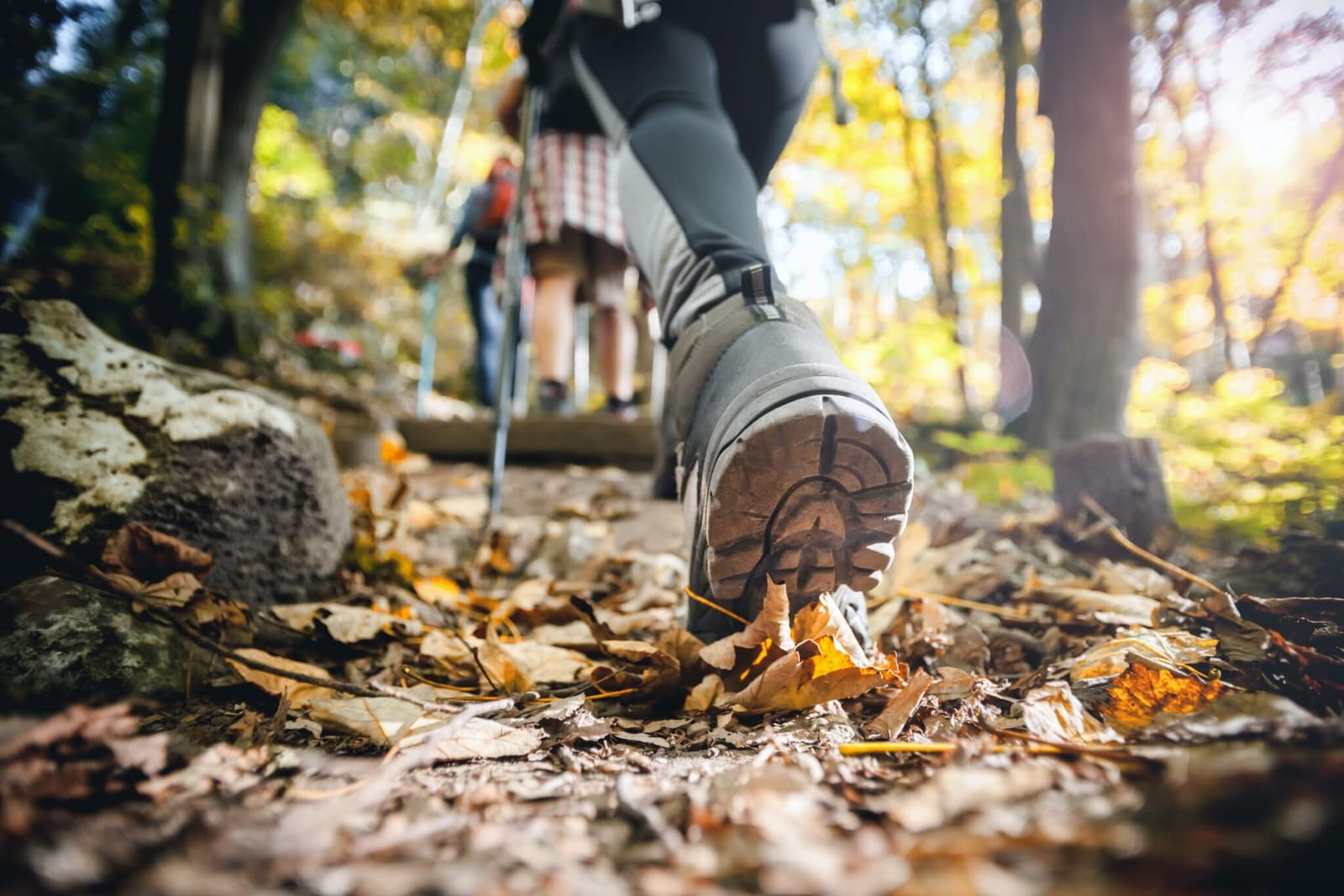
You planned this hike for weeks. Maybe it is a high-alpine loop in the Elk Mountains. Maybe it is a multi-day trip through one of the backcountry trails that make the Roaring Fork Valley one of the most extraordinary hiking destinations in the country. You laced up your boots, packed your gear and hit the trail full of energy. Then somewhere around mile four, you feel it: a hot, nagging friction point on your heel. And by mile ten, the blister seems to be all you’re noticing. Let’s be honest, preventing blisters on long hikes is critical to truly enjoying the adventure.
Most of the advice online for how to avoid blisters when hiking comes from gear blogs and trail forums, not from medical research. That matters because some of the most widely repeated tips for preventing blisters on long hikes are not actually backed by science at all.
At Aspen Valley Health, we are located in the heart of some of the best trail country in the world. Our primary care providers work with hikers, backpackers and outdoor athletes year-round. We understand what your feet go through when you're hiking, and we are here to offer guidance on how to avoid blisters that's grounded in actual clinical evidence, so you can keep doing what you love.
Narrowing Down the Cause of Blisters is the Key to Preventing Them on Your Long Hikes
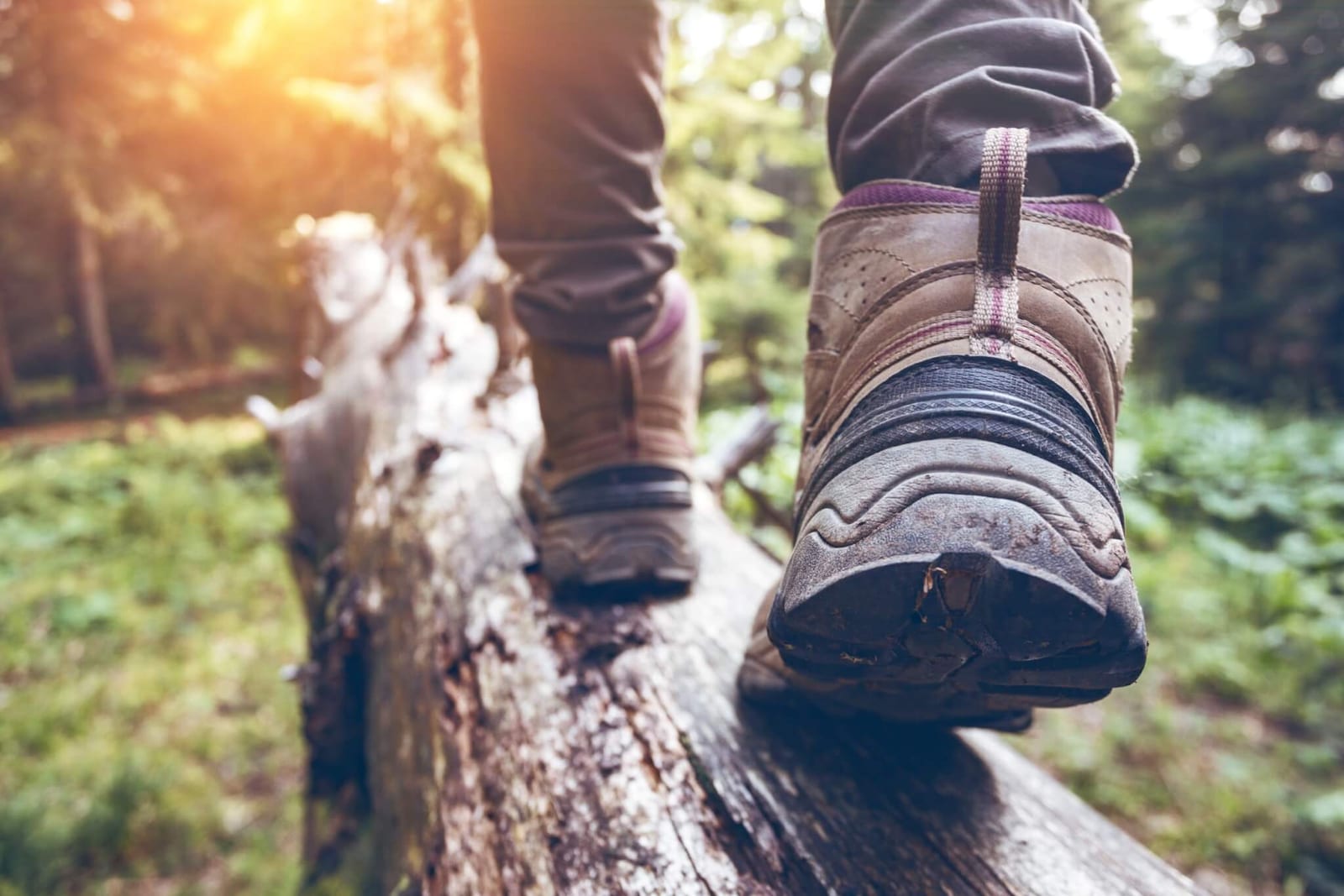
Before you can figure out how to avoid blisters when hiking, you need to understand what you are actually fighting. Blisters are not random. They have a specific mechanism, and once you understand it, preventing those blisters on your long hikes will start to make a lot more sense.
According to a comprehensive 2024 review published in the Journal of Athletic Training, friction blisters form through a process called repetitive shear deformation. In straightforward terms, this is when your foot shifts inside your boot, and the layers of your skin are pulled in opposing directions.
The outer layer, known as the stratum corneum, is relatively firm. The layers beneath it are softer and more pliable. With enough repetition, those layers begin to separate. Fluid rushes in to fill the gap, and a blister forms.
The keyword here is repetition. One moment of friction does not cause a blister. Thousands of steps do. That is why long hikes are so much riskier than short ones, and why preventing blisters is often a defining challenge during endurance hikes.
Heat and moisture accelerate this process of shear deformation considerably. As your feet warm up and perspiration builds inside your socks and boots, the outer layer of skin softens. Softer skin has a higher coefficient of friction, which essentially means it grips instead of glides.
The same 2024 review notes that elevated skin temperature during shear loading is directly associated with faster blister formation. Wet conditions are not just uncomfortable; they fundamentally change how your skin behaves under mechanical stress, which is why dry skin is key to preventing blisters on those long hikes.
The Callus Myth: What the Research Actually Says
If you’ve spent any time on hiking forums, you’ve likely seen this blister prevention method: building up calluses on your feet will protect you from blisters. The problem is that the science tells a different story.
The Journal of Athletic Training review addresses this directly. While some degree of skin thickening may offer a modest benefit, the review concludes that excessive callus formation can actually make you more prone to getting blisters on those long hikes, rather than preventing them.
Under a thickened patch of skin, shear deformation continues in the soft tissue beneath. The added bulk actually increases focal pressure, which raises friction force and shear stress.
Attempting to build calluses as a strategy for preventing blisters on long hikes is not supported by current evidence and may actually make the situation worse.
Factors that Can Make Preventing Blisters on Long Hikes More Challenging
Some conditions and habits consistently show up in research as contributors to blister formation. The more of these that apply to a given hike, the higher the risk, so if preventing blisters on those long treks is a high priority, avoid these:
- Wearing new or unbroken-in footwear
- Increasing mileage too quickly, faster than your skin can adapt
- Hot, humid weather that raises skin temperature and moisture levels
- Wet socks from rain, stream crossings or heavy sweating
- Boots or shoes that are too tight or too loose
- Carrying a heavy pack, which amplifies the downward load on your feet with every step
- Foot structure differences such as bunions, hammertoes or high arches that shift pressure to specific spots
- Rough or uneven terrain that causes irregular foot movement inside the boot
- Cotton socks, which absorb and hold moisture against the skin
- Long downhill sections that drive the foot forward and concentrate pressure on toes and forefoot
Is there a good way of preventing and reversing course of blisters that are already beginning to form on a long hike?
Yes, but when it comes to preventing blisters on a long hike when they're already starting to form, the timing is everything.
The critical window stopping a blister in its tracks is the "hot spot" stage, which is the warning signal your body sends before a blister fully develops. A hot spot feels warm, tender and slightly irritated. The skin may look a little pink. No fluid has formed yet. If you catch it here, you can often still change the outcome.
When you feel a soon-to-be blister hot spot, stop as soon as it is safe to do so. Take off your boot and sock. Let the area air out for a few minutes. If the skin is intact, dry it thoroughly and apply a smooth barrier over the irritated zone. A piece of paper tape, a hydrocolloid blister pad or a section of moleskin can all reduce friction at that exact spot.
The goal is simple: interrupt the cycle of shear deformation before a blister can form. Preventing blisters while on long hikes is not just about preparation at home; it is just as much about staying alert and responsive on the trail.
If a small blister has already begun to develop, keep the skin over it intact. That thin layer of skin is a natural, sterile cover. Place a cushioning pad around it and continue hiking with awareness.
Resist draining the blister unless it is so large or painful that you simply cannot keep going. Draining blisters should be left to your healthcare provider, if at all possible.
If you do need to drain it in the field, use a sterilized needle, let the fluid escape, press the skin flat and apply antibiotic ointment before covering it with a clean dressing.
What you want to avoid is walking through a hot spot without doing anything about it. That’s an easy way to end up with a larger, more painful blister that gets worse with every mile. A short stop to care for your feet can save the rest of your day on the trail and is a key element to preventing blisters, allowing you to truly enjoy your long hike.
Science-Backed Ways for Preventing Blisters on Long Hikes
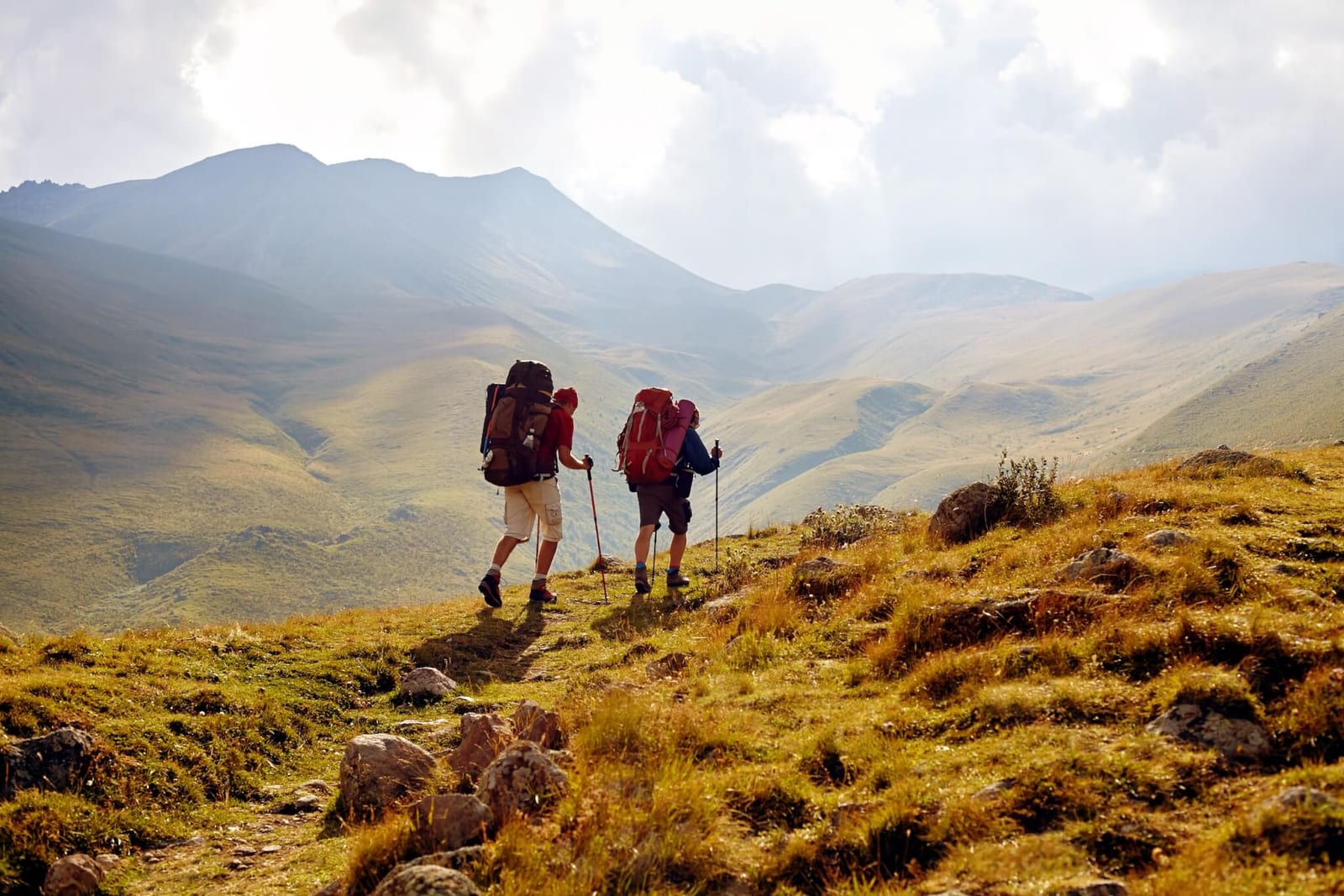
Learning how to prevent blisters when you’re in the middle of a long hike starts with strategies that have actual research behind them.
Full transparency: the overall body of clinical evidence in the area of preventing blisters on long hikes is still growing, and individual responses to different interventions vary.
That said, the following approaches are supported by published studies and give you the most reliable foundation for preventing blisters on long hikes.
1. Broken-In Footwear is Important for Preventing Blisters on Long Hikes
The data on this one is consistent and clear. The Journal of Athletic Training review draws on multiple studies showing that hikers and military recruits who had not preconditioned their footwear before demanding activity were significantly more likely to develop blisters.
In a study of more than 2,600 cadets, those who wore their boots more than 20 hours in the two weeks before training had a blister rate of roughly 30%. Those who did not had a rate of about 44%. A separate study cited in the same review found that hikers who had not broken in their footwear developed blisters at a rate of 32%, compared to 25% among those who had.
While not an entirely foolproof way of preventing blisters on long hikes, breaking in your footwear is key. Unfamiliar footwear creates unpredictable friction points that your skin has not had the chance to adapt to.
Breaking in boots gradually allows the material to conform to the unique shape of your foot and gives your skin time to toughen (preferably without forming a hard callous) appropriately.
To avoid blisters, you'll want to wear new hiking boots on progressively longer walks in the weeks before a major trail day, always with the same socks and insoles you plan to use on the hike. You want to train your feet the same way you’d train your body. This is a critical component of preventing blisters on long hikes.
2. Choose Moisture-Managing Socks
When it comes to preventing blisters on long hikes, your sock choice matters more than most hikers realize, and the evidence points squarely away from cotton.
A double-blind study comparing 100% acrylic and 100% cotton socks in long-distance runners found that acrylic socks produced both fewer blistering events and smaller blister sizes.
The researchers attributed this to better moisture management: synthetic fibers wick moisture away from the skin surface rather than absorbing and holding it there the way cotton does.
That said, the benefit of synthetic fibers for preventing blisters on long hikes appears to depend on sock construction. Thickly padded acrylic socks consistently outperformed cotton in the research; thin acrylic socks did not show the same advantage.
Padding appears to contribute by absorbing shear force and reducing peak pressure on the sole of the foot. For long hikes, look for padded wool-blend or synthetic hiking socks, as they're better for preventing blisters. Avoid cotton entirely, and pack a spare pair so you can swap mid-hike if conditions get wet.
3. Consider a Double-Sock System for Preventing Blisters on Long Hikes
Wearing a thin liner sock beneath a thicker outer sock has a reasonably well-supported rationale for preventing blisters on long hikes.
The 2024 review describes a study in which military recruits who wore a polyester liner sock under a dense wool-polypropylene outer sock had a blister rate of around 40%, compared to 69% in the group wearing a single standard-issue sock. The principle is that friction is transferred to the interface between the two sock layers rather than occurring at the skin surface, thus saving your feet from a blister.
One practical consideration: this approach only works if your boots still fit properly with two pairs of socks. If the added thickness makes your boots too tight, the resulting pressure can create its own blister risk. Test this method for preventing blisters on a few shorter hikes first before you take it for a spin on a long trek.
4. Apply Paper Tape to Blister-Prone Areas
Pre-taping known trouble spots before long hikes is one of the more evidence-supported strategies for preventing blisters. A prospective randomized trial conducted across multiple international ultramarathon events found that paper tape reduced foot blisters by 40%.
A systematic review of blister prevention strategies in outdoor pursuits identified paper tape as one of the only interventions with moderate confidence in its effectiveness.
Application technique matters. The tape must go on smoothly, with no wrinkles or raised edges, because any irregularity becomes a new friction point that can cause a blister. Apply it to your typical trouble areas before you put on your socks, while your feet are clean and dry.
5. Preventing Blisters on Long Hikes Means Keeping Your Feet as Dry as Possible
The link between skin moisture and blister formation is one of the more consistent findings in the research.
An observational study of 86 long-distance hikers, published in the International Wound Journal, found that hikers who developed blisters had significantly higher foot skin hydration levels than those who did not. In the study, elevated hydration predicted blister formation with 80% sensitivity, and wet socks were flagged as a meaningful contributing factor.
What this means for those long hikes: treat moisture management as an active strategy for preventing blisters, not an afterthought. Changing your socks when they become damp is a must-do for preventing blisters on long hikes. Bring an extra pair specifically for that purpose.
If you are crossing streams or hiking in rain, a waterproof gaiter or boot cover can protect your feet and meaningfully reduce how much water gets in.
Moisture-wicking liner socks reduce the amount of sweat that stays in contact with your skin throughout the day. This is one of the simplest and most consistent steps for how to avoid blisters when hiking in variable conditions.
6. Use Antiperspirant on Your Feet Before a Long Hike
This one surprises most hikers, but the research supports it. A double-blind study involving U.S. Military Academy cadets tested a 20% aluminum chloride hexahydrate solution applied to the feet each night for five nights before a 21-kilometer hike.
The antiperspirant group developed fewer blisters than the placebo group. The logic? Reducing sweat output at the foot surface lowers moisture levels, which in turn lowers the friction that can lead to blisters.
A note on application: some participants experienced skin irritation with stronger formulations. If you want to try this approach for preventing blisters on your long hikes, start with a foot-specific antiperspirant product and test it before you hit the trails.
Clinical evidence for standard over-the-counter concentrations is limited, so any benefit at lower doses should be considered anecdotal. Talk to your healthcare provider if you have questions about whether this form of blister prevention is appropriate for your skin.
7. Ensure Your Hiking Footwear Properly Fits Your Feet
Well-fitting boots are one of the best routes for preventing blisters on long hikes. Boots that are too tight create constant pressure on specific areas of the foot. Boots that are too loose allow the foot to slide forward and laterally with every step, generating exactly the kind of repetitive shear deformation that causes blisters.
Reducing the magnitude of shear deformation is the core goal of preventing blisters on long hikes, and footwear fit is one of the most fundamental ways to accomplish that.
When buying hiking boots or trail shoes, have your feet measured and try shoes on later in the day when your feet are naturally at their largest. Walk up and down a ramp or incline if possible, since downhill movement shifts the foot forward.
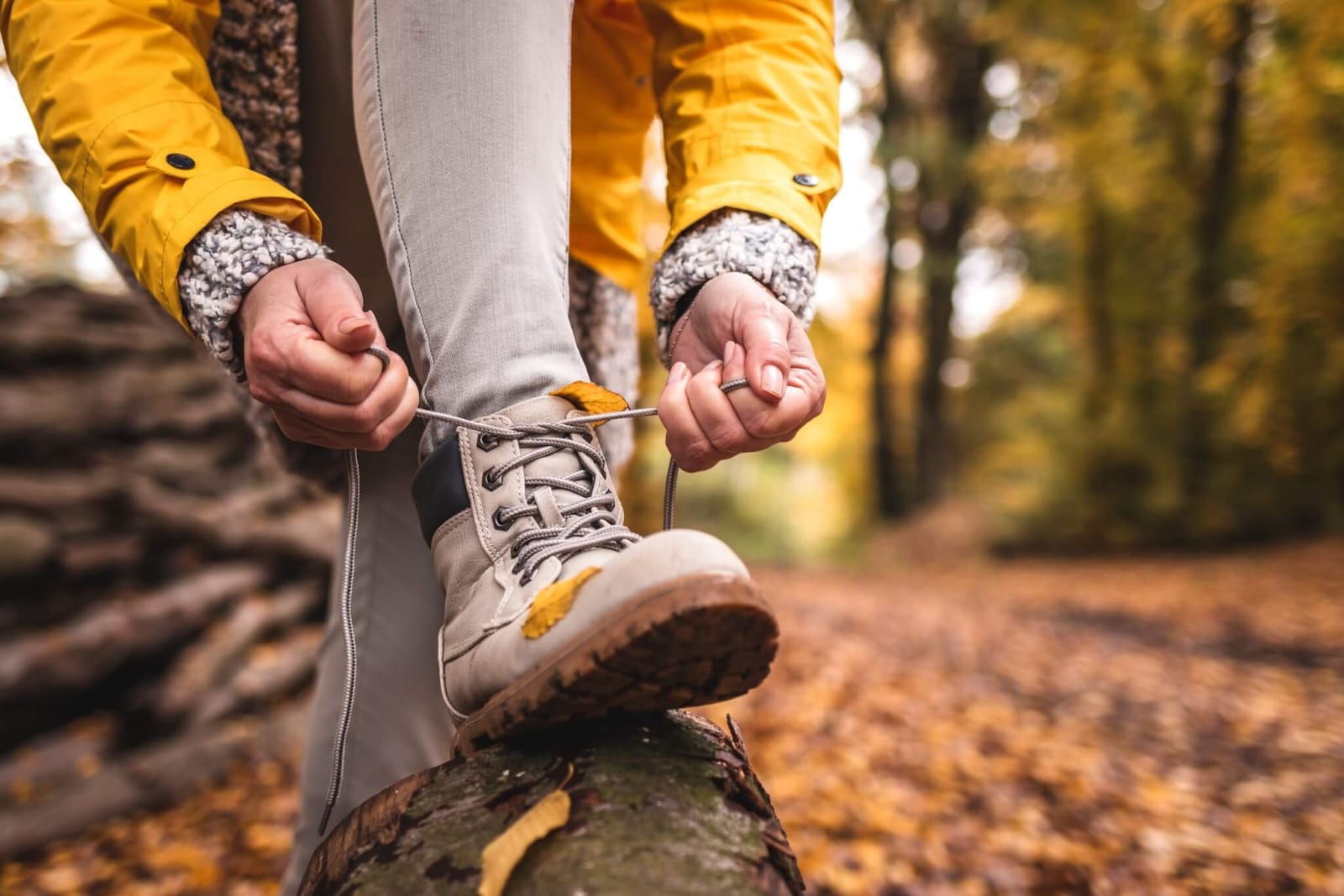
Are some people simply more inclined to develop blisters on their feet?
Yes, and understanding your individual risk factors is a key part of a long term strategy for preventing blisters on your hikes. The 2024 skin hydration study found that women had significantly higher foot skin hydration levels than men, which correlated with greater blister susceptibility.
The same study found that risk decreased with age, likely because skin holds less moisture as it matures.
Neither of those risk factors is something you can change, but knowing about them helps you calibrate your efforts for preventing blisters on those long hikes appropriately.
Foot anatomy is another significant variable. Bunions, hammertoes, prominent metatarsal heads and unusually high or flat arches all create atypical pressure distributions that concentrate shear force in specific locations.
A study of hikers on the Camino de Santiago found that blisters located at the metatarsal heads (the ball of the foot) caused the greatest increase in pain and functional disability, making location on the foot every bit as important as blister size.
Individual sweat rate, skin elasticity and how quickly your skin adapts to mechanical stress also play roles that vary from person to person. Two hikers following the exact same blister prevention protocol on the same hiking trail can have completely different outcomes. This is not a flaw in the science; it is an honest reflection of human variability. It is also exactly why a personalized approach to preventing blisters on long hikes is so important.
How do you care for blisters on your feet when they do happen on your hike?
Even when you do everything right, blisters can still develop on long hikes. Knowing how to care for them properly in the field reduces pain and, more importantly, lowers your risk of infection.
If your blister hasn’t popped, leave it alone. The skin covering a blister serves as a natural, sterile barrier. Clean the area gently, apply antibiotic ointment around the edges and cover it with a hydrocolloid pad or a moleskin donut cut to relieve direct pressure on the blister. Change the dressing at the end of each hiking day.
Drain only when the blister is large, tense and painful enough that continuing the hike is genuinely not realistic. If you must drain the blister on the trail, use a needle sterilized with an alcohol wipe. Puncture at the base of the blister, allow the fluid to drain and press the overlying skin flat. Do not remove that skin. Apply antibiotic ointment and cover the area with a clean dressing.
Make sure to watch for signs of infection: increasing redness, warmth, swelling, pus or red streaking that extends away from the blister site.
An infected blister is a medical concern, not a minor inconvenience. Research has identified infected blisters as a significant cause of cellulitis in active populations. If you notice any of those signs after returning from a hike, see a provider promptly.
The Importance of Identifying what has Historically Helped in Preventing Blisters on Your Particular Feet on Long Hikes
Here is something worth saying plainly: the clinical research on how to prevent blisters while hiking is still developing. Study populations are small, conditions vary widely across research settings and individual responses to the same intervention can differ dramatically. What eliminates blisters entirely for one hiker may do nothing for another.
The Journal of Athletic Training review is transparent about this. Even experienced, well-conditioned athletes and hikers develop blisters on their feet. Individual skin shear resistance, activity duration and foot structure can each override standard prevention measures.
The researchers specifically recommend more individualized blister prevention approaches and note that a single universal protocol is unlikely to work for everyone.
That means paying close attention to your own patterns. Where do you consistently develop blisters when you're hiking? Is it always the back of the heel? The outside of the small toe? The ball of the foot?
Those patterns are telling you something specific about your foot mechanics, your footwear fit or both. Keeping a simple log after hikes, noting your sock choice, your boot condition, the terrain, the temperature and where any hot spots appeared, will help you identify what is actually driving the problem for you personally.
Experiment deliberately. Change one variable at a time. Spend a month in a padded synthetic sock. Try pre-taping a trouble spot for a full season. Test a double-sock setup and evaluate honestly.
The science gives you the best starting points when it comes to preventing blisters on your long hikes. Your own consistent tracking tells you what is working on your feet in particular.
How to Give Your Feet the Customized Support They Need
You’ve done the reading. You understand the mechanism. You have a list of evidence-backed strategies to work through. That is genuinely more than most hikers know when they head out the door.
But for many people, preventing blisters on their long hikes requires something more than a checklist: it requires understanding your own feet.
Your foot structure, your sweat patterns, your skin's individual response to mechanical stress, your hiking goals and your health history all factor into how to prevent blisters while hiking.
A provider who knows your baseline can help you build a blister prevention approach that is actually calibrated to you, whether that means a referral to a podiatrist, specific guidance on footwear for your arch type or simply a conversation about what you have already tried and why it may or may not be working.
At Aspen Valley Health, our primary care team works with hikers at every level, from weekend day-trippers to multi-week wilderness adventurers. We are in the mountains. We know this terrain, and we know the demands it places on your body.
You don't have to wait until you are limping off a trail with an unpleasant blister to reach out. Proactive foot care is one of the simplest investments you can make in a long and active hiking life.
Ready to hike longer and better? Connect with the Aspen Valley Health Primary Care team and let us help you build a foot care plan that gets you to the summit and back, comfortably. We're here to help you in the process of preventing blisters on those long, but oh so rewarding, hikes.