Tyler Williams remembers the exact moment his life changed. He was skiing Aspen Mountain in 2010 when he looked down and noticed something missing: his ski pole.
"I looked back and saw it sitting in the snow 40 yards behind me," he says. "I didn't feel it drop. I couldn’t feel it in my right hand."
For most people, that might be alarming. For Tyler, a professional big mountain skier, seven-time X Games competitor and Skier Cross Tour veteran, it marked the beginning of a life-changing journey. Now more than 15 years later, he remains determined to reclaim his strength, mobility and the thrill of the mountain.
A Long Road to Answers
Tyler’s symptoms worsened over time, without a clear diagnosis. He had hand surgery thinking it would help, but it didn’t. Eventually he lost control of his right side and still didn’t have answers. Finally, in 2017 an MRI confirmed what he’d suspected: Something was wrong with his brain. He was diagnosed with a rare cerebral arteriovenous malformation (AVM) growing in the left side of his brain, which was impairing the entire right side of his body.
"It wasn’t good news," Tyler says. "But at least it gave me something to fight."
From Surgery to Setbacks
He underwent three sessions of gamma knife radiation and multiple surgeries. The most recent, in October 2024, left him with more than 13 staples in his scalp. Just months earlier, he had been airlifted by Flight for Life to Denver after a brain-bleed episode.
Recovery has not been linear.
"There were days I didn’t know if I’d make it back to the slopes or on the bike. Or even back to walking steadily," he says, noting the emotional toll often eclipses the physical pain.
“It’s the…isolation,” he says emotionally. “Watching everyone else ski while you sit in a chair at the bottom...that’s a tough place to be.”
And yet, his passion for skiing and biking remains unshaken. It's why he goes to therapy nearly every day. It's why he still believes in himself.
"I just want to feel it again," Tyler says with vigor. "Skiing powder. Oh, man, that’s the goal."
The Heart of Rehab
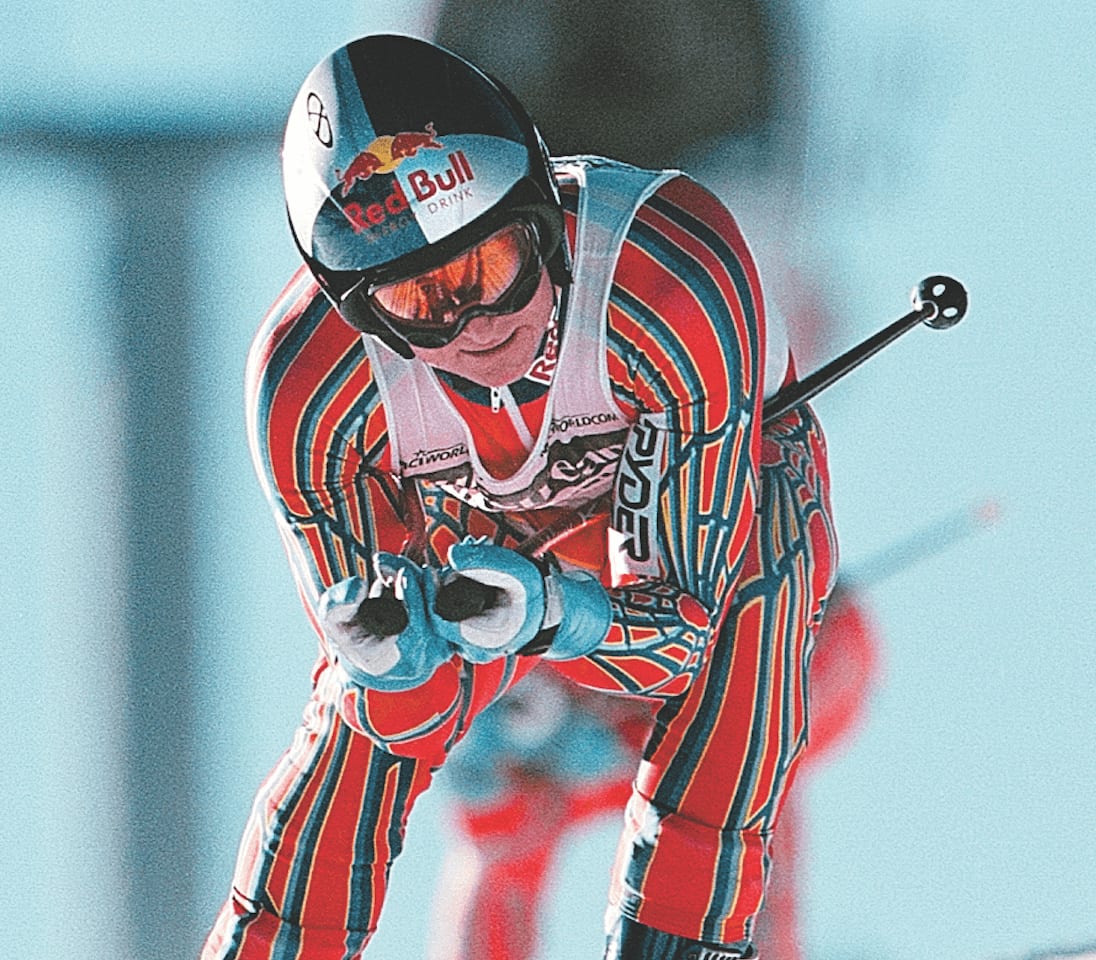 Tyler, 1998
That passion is what drives him to show up, to push, to progress. He's basically relearned how to use the muscles on his right side—twice now. Despite the setbacks, Tyler maintains a competition-driven edge.
"I’ve been training my whole life," he says with a fierce glint in his eye. "As a ski racer, you train when you’re tired. When you’re sore. When no one’s watching. So, I show up to PT the same way—every day, ready to work."
Tyler now lives in an ADA-accessible apartment directly across from Aspen Valley Health (AVH), where his recovery is supported by a team that has come to feel like family.
"It’s my second home," he says. "PT, my heart doctor, my general doc; they’re all right there. It’s where I rebuild."
Every Wednesday, he meets with occupational therapist Krista Fox. She's been with him for over seven years, a steady presence in a turbulent journey. She pushes him. He asks for more. Together, they've made tremendous progress.
“Like many athletes,” Krista says, “Tyler has an unrelenting drive for improvement, a focus on excellence. And he weathers any challenges that arise with positivity.”
Krista incorporates a range of therapies to help Tyler regain strength and control—including work in the water, where his body can move more freely.
The SwimEx pool at AVH uses water current to support resistance exercises and stationary swimming, much like an underwater treadmill. For Tyler, the buoyancy allows him to jump and move in ways he can’t on land, where gravity works against him. It gives him the freedom to move his body—something especially valuable for people with neurological conditions.
"In the water, I can feel my right side again," he says. "It’s like it wakes up. I do things in that pool I can’t do anywhere else."
He also trains with physical therapist Matt Michael, focusing on core strength and leg drive. With every session, he reclaims a bit more of the balance and power that once came so naturally.
"He recently hit a new milestone on the squat rack: his heaviest lift since we started working together," says Matt, who has witnessed significant progress in Tyler’s power, coordination and balance. "His commitment makes it easy to root for him. He inspires people every day with his grit and determination."
The Aspen community’s support for Tyler has been phenomenal. From his sponsors, supporters, fans and physical therapy teams, he is forever grateful.
"The support means everything...everything," Tyler says, voice cracking. "Krista and Matt are my superheroes. I wouldn’t be where I am without them."
One Step at a Time
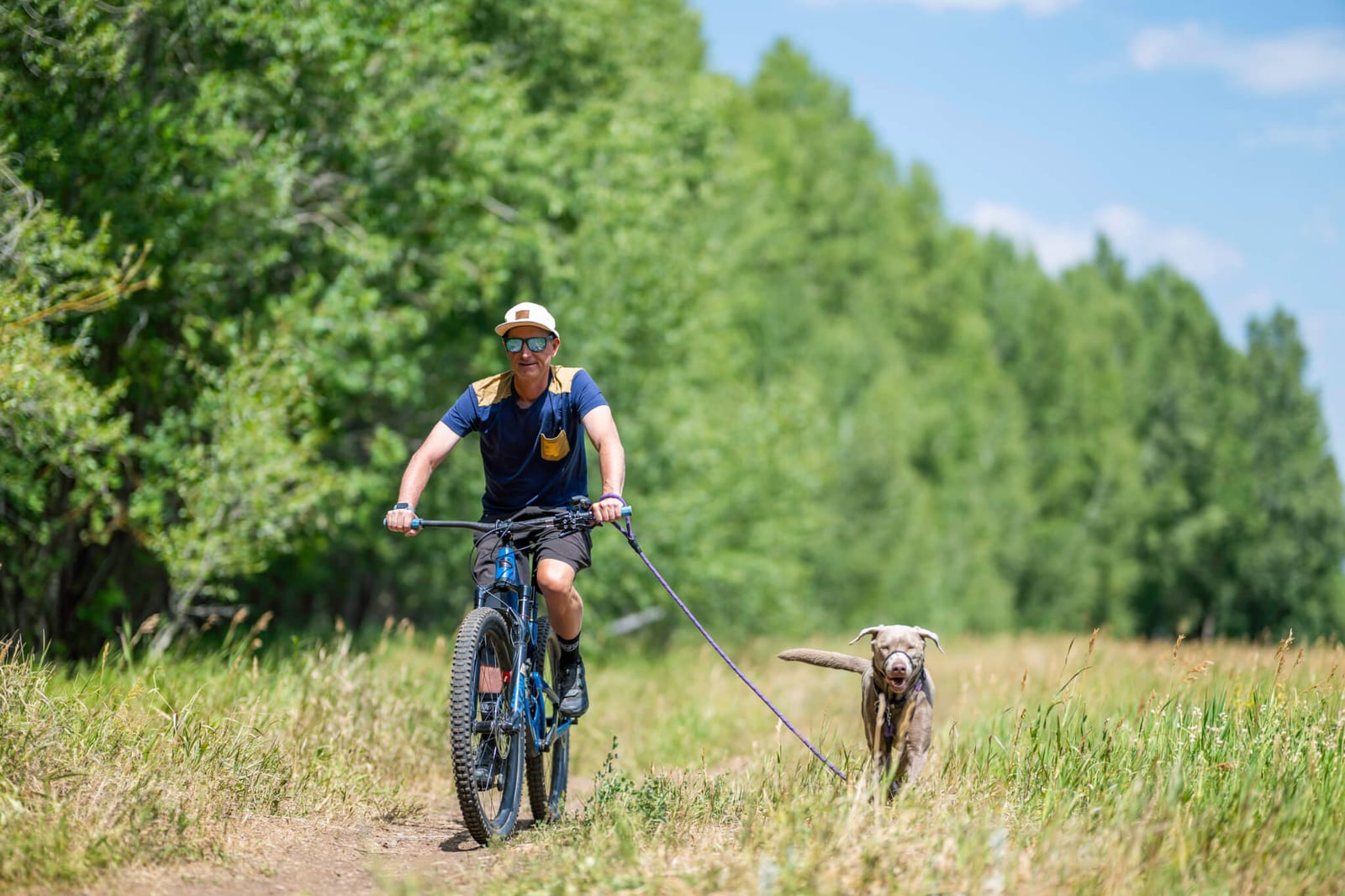
Progress isn’t always visible, but it’s always there. Tyler’s right side of his body remains numb, and he must visually confirm where it is before using it. Riding a bike means adapting—installing a dual-sided brake, adjusting his grip, staying laser-focused.
"It’s not about perfection," he says. "It’s about showing up and getting better, inch by inch."
This past winter, he managed five ski runs. "I want more," he says. "I want to ski powder like I used to. Not once. I want to go after it every chance I can get."
His summer plans revolve around strength building and long rides. He recently installed a custom brake system to give him more control.
“If I can grip the handlebar and stay upright, I can ride,” he says. "And when I ride, I feel like myself again."
When he’s not training, Tyler nurtures another passion: the Goat House, the ski and bike shop he helped build. The shop, like Tyler, is fueled by resilience.
"It’s where my friends—some of the best athletes in the world—hang out," he says. "It’s more than a shop. It’s a symbol that I’m still in the game."
Living with Purpose
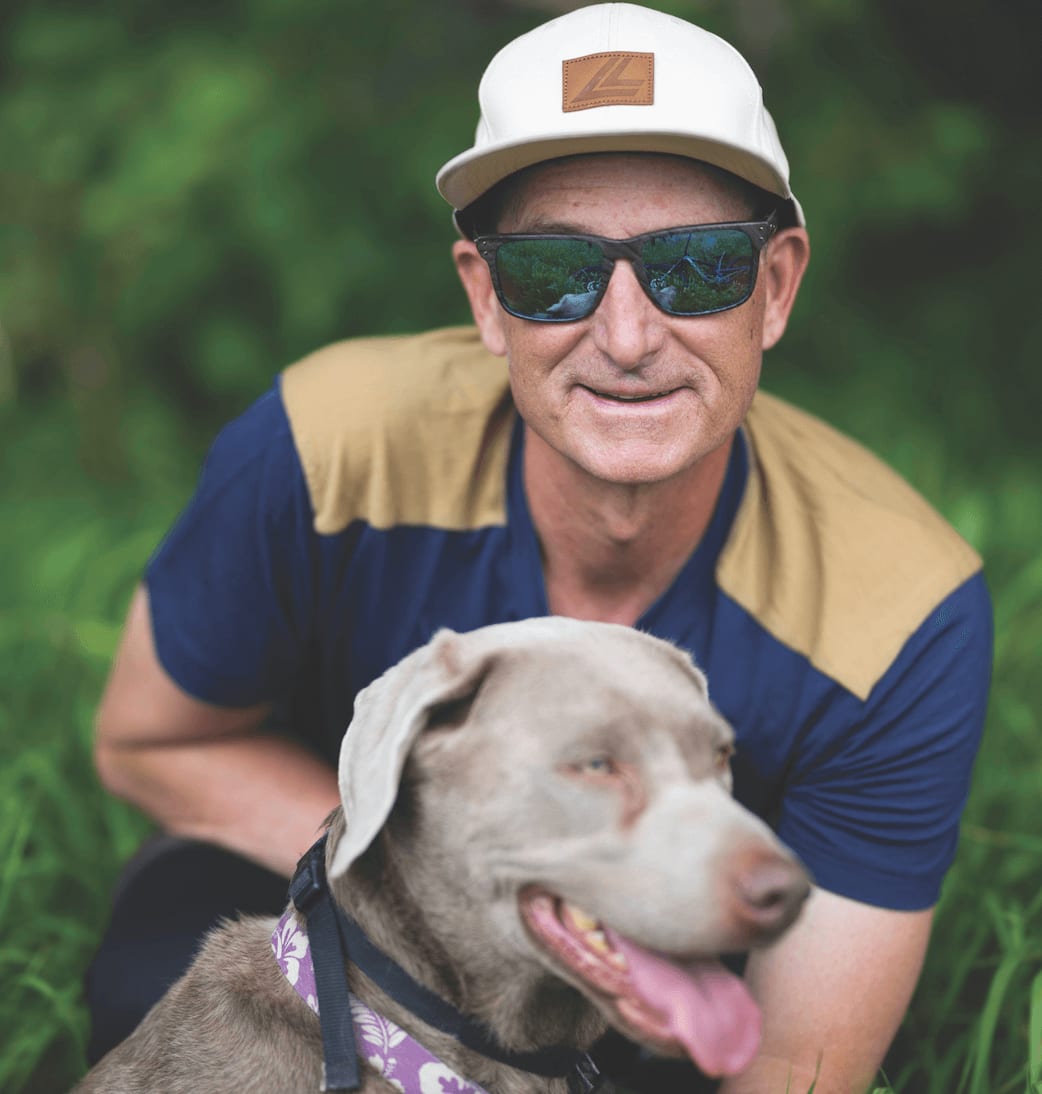
There’s power in Tyler’s voice when he talks about Stella, his 4-year-old dog, and the ‘65 Mustang he restored with his dad.
"Stella and the Mustang are my babies," Tyler says with a grin. "Nothing beats a fall drive through the mountains with the roof down and Stella riding shotgun. It's another form of therapy for me."
Tyler knows his journey is far from over. He knows potential setbacks are always looming, but he is determined to finish on his terms.
"I know I’ll never be elite again, not like I was," he says. "Winning now simply means having a chance to do the things I love."
How long will it take to get there?
"I thought I’d be done with PT by now," he adds. "But I’ve learned that healing isn’t about finishing. It’s about continuing. It’s about believing there’s still more to come."
Tyler doesn’t just push himself; he inspires others. One look at his Instagram page (@freeridesports) and you quickly understand that he's documenting his journey for himself and those who need an extra push to keep going.
"You gotta have goals when you become disabled," Tyler says with conviction. "Otherwise, you’ve got nothing."
When asked what he’d say to others navigating a health crisis, his answer is immediate: "Don’t stop. No matter how dark it gets. There’s always a way forward. Even if it’s just one ski run, one bike ride or one swim lap at a time."
And with the support of his team at AVH, Tyler Williams isn’t just chasing powder. He’s chasing a world of possibilities.