

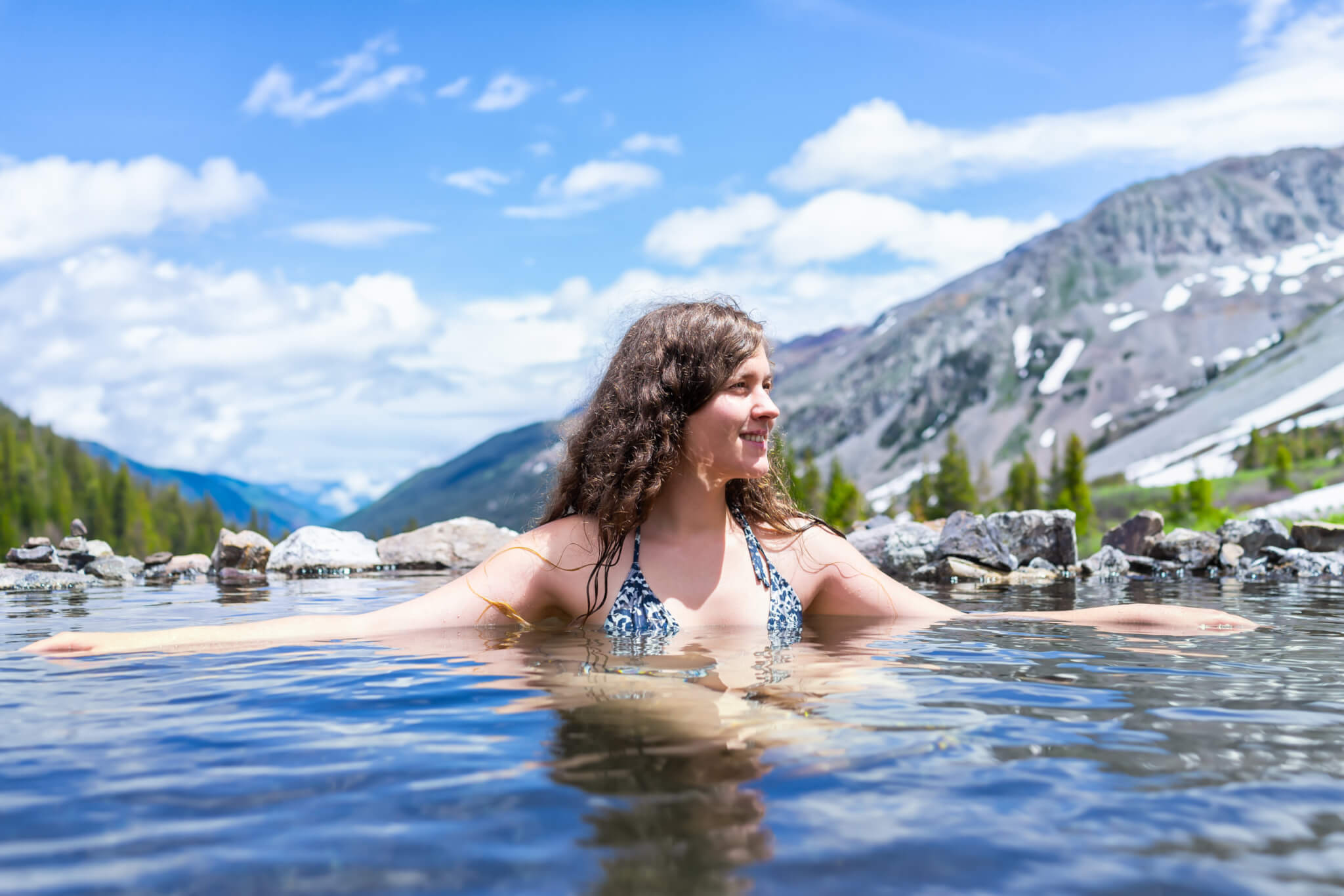
Settling in for a soak in a natural hot spring isn’t just relaxing; it also has additional health benefits.
Hot springs offer a variety of unique aspects that set them apart from a hot tub or warm bath. Hot springs provide an opportunity to relax and rejuvenate outdoors, which brings with it a peaceful, natural setting. The water flowing into your favorite hot spring is also rich with minerals such as boron, calcium, potassium, iron and magnesium that carry a variety of health benefits.
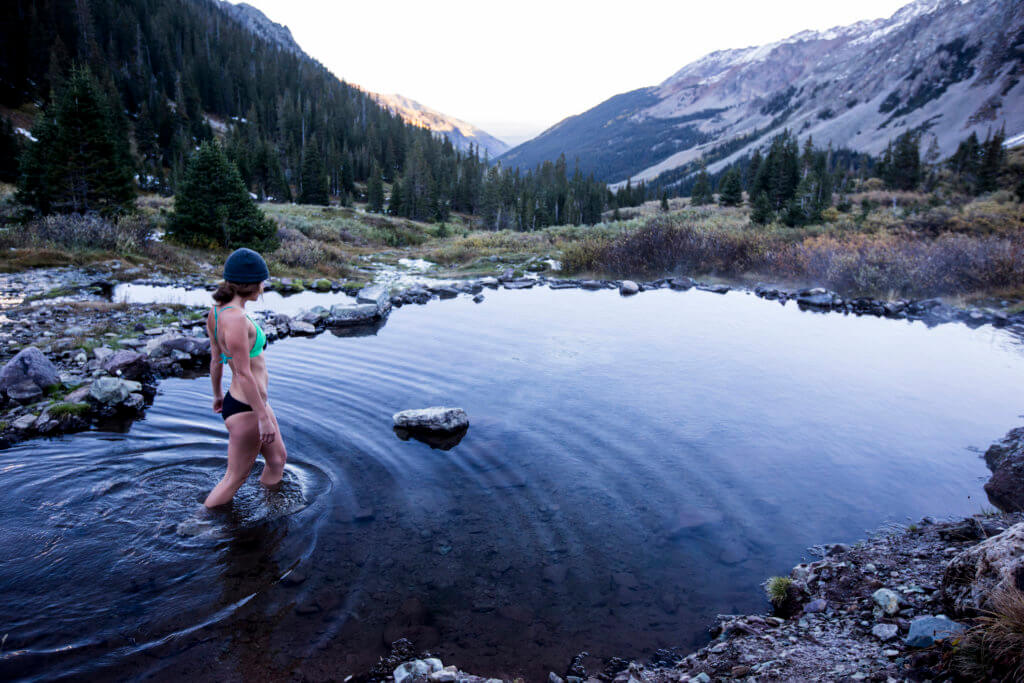
So, what are some of the health benefits of hot springs? Here are just a few:
- Hot springs can help boost your blood circulation. Back to those minerals! Hot spring water is flowing with calcium and sodium bicarbonate, which can boost overall oxygen flow and circulation once absorbed into the body.
- A soothing soak can aid in natural pain reduction and rehabilitation. Buoyant, warm, mineral-rich waters that allow ease of movement and slight resistance are a favorite therapeutic tool. They can also help increase flexibility and circulate lactic acid out of sore muscles.
- Healing hot spring waters can also improve skin irritations and conditions. The elevated levels of sulfur in hot spring waters offer antifungal and antibacterial properties that can soothe and even help heal the skin.
- Soakers enjoy reduced stress levels. The many minerals in hot spring waters can help decrease daily stress.
- Detoxify, naturally. Warm hot springs cause your body to sweat, helping to clear clogged pores and increase healthy circulation.
How long should you soak in a hot spring?
It’s really dependent on how hot the water is, which varies widely from pool to pool and one location to the next. Dip a toe or foot in first to test the waters before submerging your entire body. For water temps that exceed 104 degrees (the common temperature for a manufactured hot tub, for your body’s reference), try not to exceed a soak time of 15 to 20 minutes. A trip to the hot springs is often a full- or multi-day endeavor, so temper your soaking with small breaks, nearby hikes or even a roll in the snow or plunge in the cold pool to help cool down. With any hot spring session, make sure to drink plenty of water to keep yourself hydrated.
What should I bring to a hot spring?
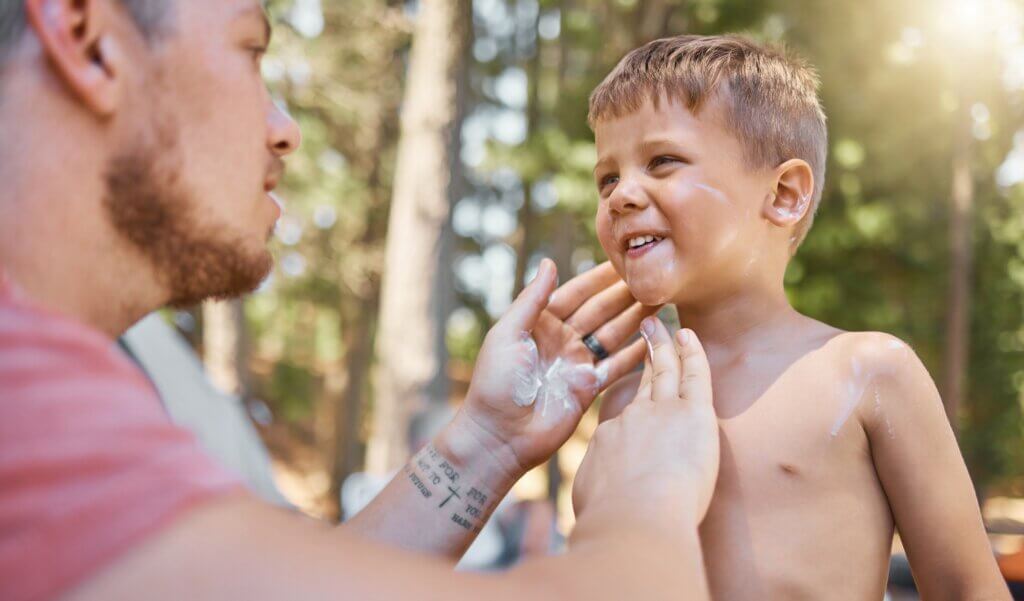
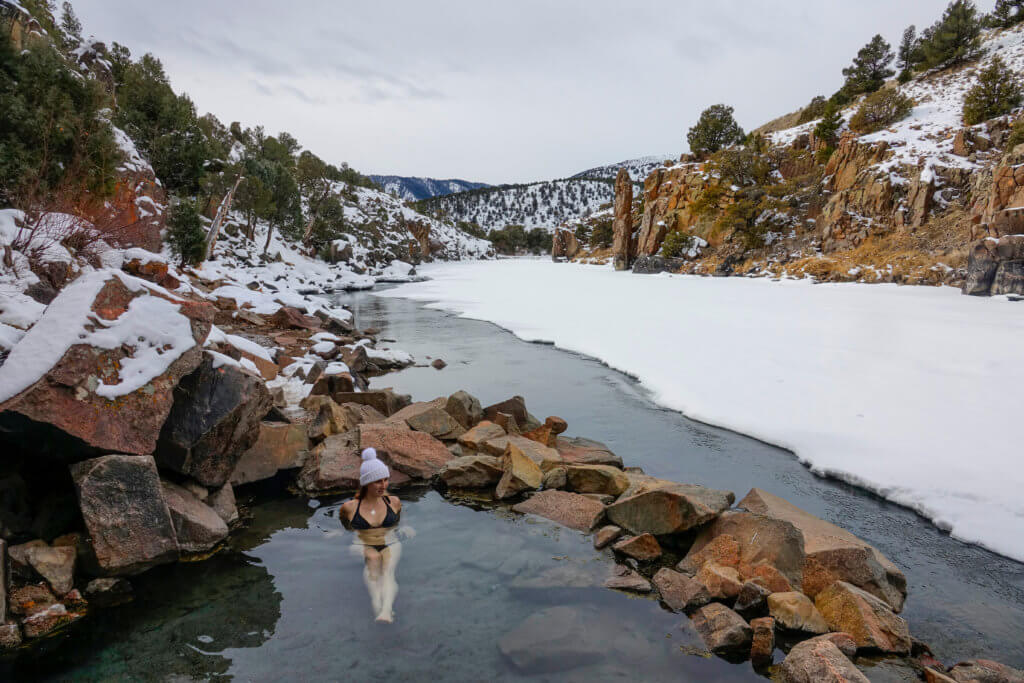
A hot spring experience is unique. Unlike a typical trip to the nearby indoor pool or your buddy’s backyard hot tub, getting to hot springs often requires at least a little bit of a walk, and once you’re there, you’ll be subject to nature’s elements. Pack accordingly for inclement and seasonal weather and make sure to wear proper footwear for getting to the springs and then back to the car. Pack a swimsuit, towel, plenty of water, some sunscreen if you’ll be outside and maybe a hat or beanie if you’re soaking in the winter, spring or fall when air temperatures are cooler.

Choose your healthy journey to receive the information you want to reach your goals.
Aspen Valley Health has a wealth of classes, events and workshops to educate and empower our extraordinary community as we reach the summit together.
A natural hot spring soak is a fun activity for friends and family.
The Roaring Fork Valley offers some excellent hot springs, both completely natural and more structured, stone-lined tubs. Glenwood Hot Springs Resort is a historical hot springs pool that is perfect for families and large parties of all ages. Where Iron Mountain Hot Springs is more ideal for couples or small groups with 16 geothermal pools all set to the backdrop of the Colorado Rockies. For those seeking a more natural experience, consider seeking out one of the many natural hot spring pools in Colorado. For a truly wild experience, you will need to get a permit and be top shape to make the 8.5 mile hike to Conundrum Hot Springs which sits at a lofty 11,200 feet in elevation in the Maroon Bells-Snowmass Wilderness. The hike in takes 5-8 hours on average and gains in 2,400 feet in elevation, but the thermal waters and breathtaking view will be your reward.
MAKE IT AN EXPERIENCE
Hot springs don’t just provide a relaxing experience; they also offer a bounty of additional benefits that range from therapeutic minerals to breathtaking views. Next time you are Downvalley, consider seeking out your next soak in the Roaring Fork or Crystal River Valley for some immediate nature-induced stress relief.
Hot Springs to Explore in the Roaring Fork or Crystal River Valley
Yampah Spa Hot Springs Vapor Caves