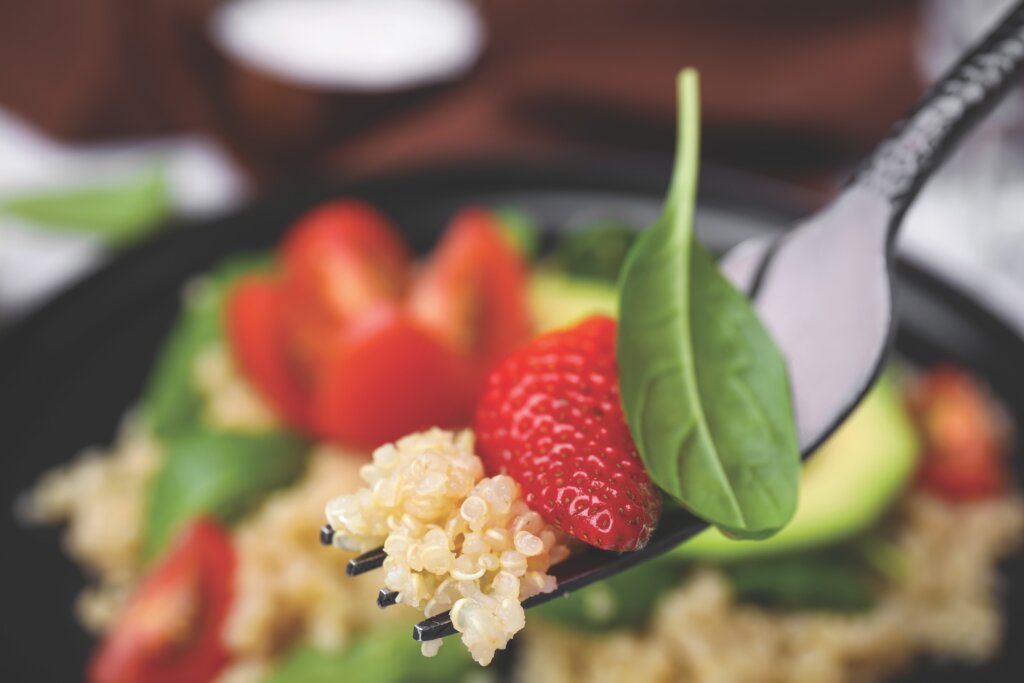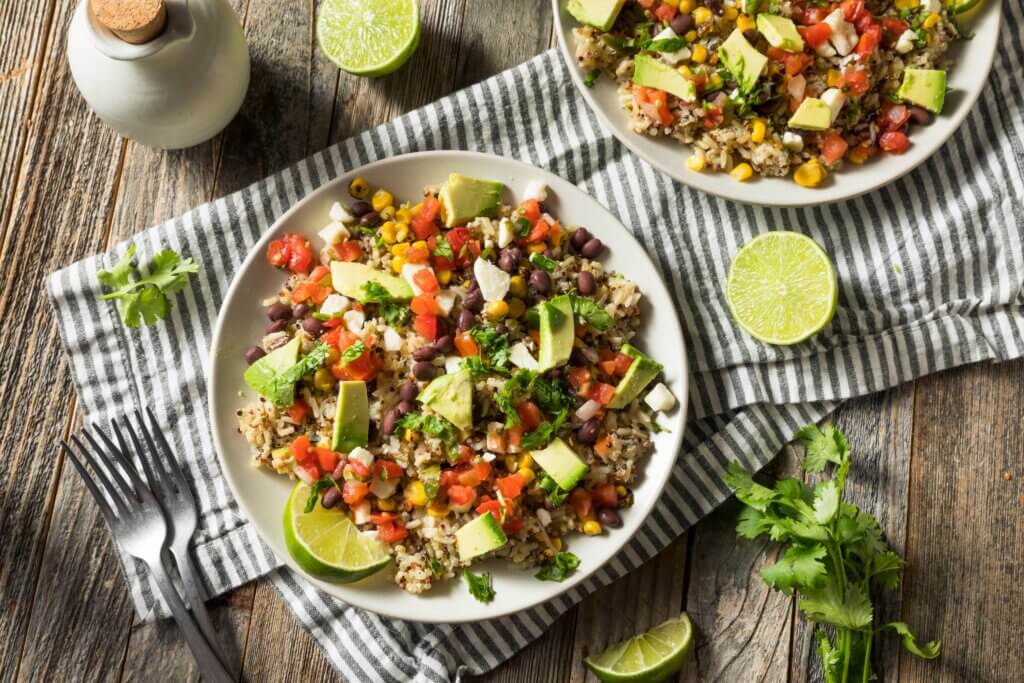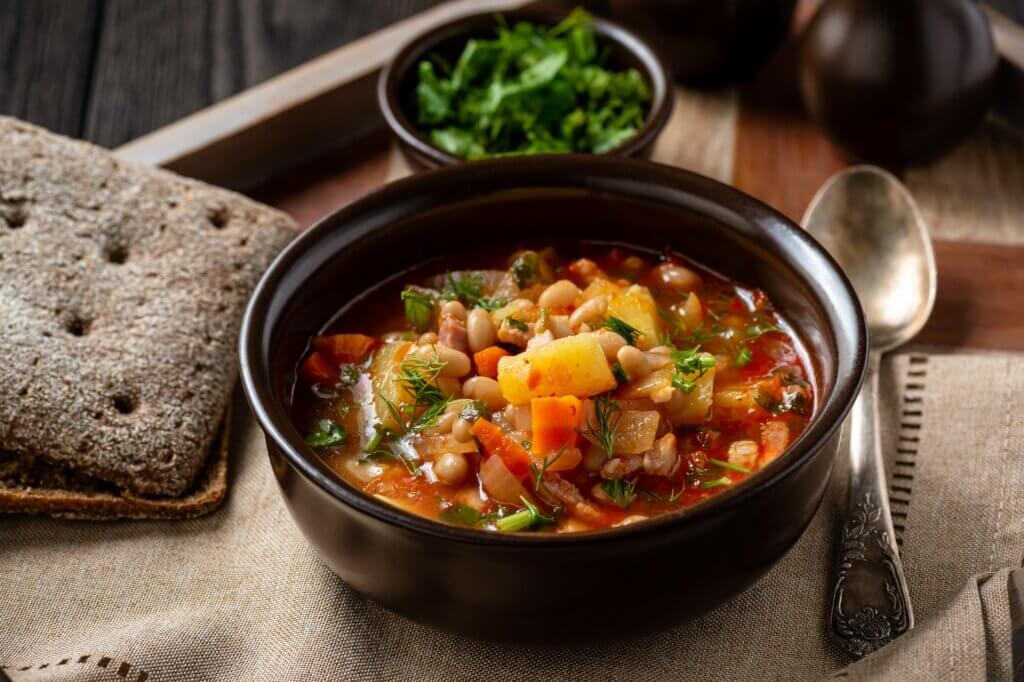



Winter can stress our systems in all sorts of ways, but the onset of cold and flu season and – in many parts of the country – the lack of direct sunlight are probably the most notable. While you settle into hearty soups, healthy winter nutrition and snow-filled fun, it’s also important to consider supplementing your winter health with some essential vitamins you should take daily. Doing so can help boost your immune system and lessen the effects of seasonal affective disorder (S.A.D.). Here are a few key winter vitamins and supplements to help keep the health blues at bay.
Vitamin D: The Sunshine Vitamin
 Vitamin D, affectionately referred to as the sunshine vitamin, is essential for developing and maintaining healthy bone mass by helping our bodies absorb calcium. It’s also important to your nervous system, immune system and musculoskeletal system. There are two key ways to get enough Vitamin D – diet and sun exposure, however, many people of all ages aren’t getting enough Vitamin D in their system. While a Vitamin D deficiency often comes with no noticeable symptoms, it can have lasting effects on the body, including bone pain, bone brittleness, muscle pain, increased sensitivity to pain and muscle weakness to name a few.
Additionally, a Vitamin D deficiency can be a byproduct of living in a part of the world that experiences limited sunlight for large stretches of time. This decrease in sun exposure and a resulting decrease in Vitamin D absorption can lead to what’s known as seasonal affective disorder, or S.A.D. Symptoms can include low energy, trouble sleeping, difficulty concentrating or feeling down or depressed.
For these reasons, it’s essential to pack your diet with Vitamin D-friendly foods, such as:
- Eggs
- Salmon
- Almond milk
- Sardines
- Cheese
Also look for foods fortified with Vitamin D such as orange juice, milk, yogurt and some breakfast cereals. Talk with your primary care provider about whether or not you should take a Vitamin D supplement and, if so, which dosage is correct for you. Many multivitamins offer a healthy amount of Vitamin D.
Boosting Immunity with Vitamin C
Vitamin C has long been a go-to when it comes to combating cold and flu season for good reason. This powerful player helps maintain bones and cartilage, keeps cells healthy, boosts our immune systems, and supports brain health. Vitamin C can’t prevent you from getting a cold, but according to the National Institutes of Health, this potent water-soluble antioxidant gives your immune system a boost. It’s important to ensure your winter diet includes plenty of foods rich in Vitamin C, including:
- Red peppers
- Orange juice
- Grapefruit juice
- Kiwi fruit
- Broccoli
- Strawberries
- Brussels sprouts
- Cantaloupe
- Cabbage
- Baked potatoes
- Spinach
Like Vitamin D, it might be worth considering taking a Vitamin C supplement if you’re worried you’re not getting enough through your diet. The recommended daily amount is 75 milligrams per day for women and 90 milligrams per day for men. Some women might choose to take more during pregnancy, but the daily amount should not exceed 2,000 milligrams per day. Talk with your doctor about the best, most absorbable Vitamin C supplements for your family.
Powerful Antioxidant: Vitamin E
Vitamin E is a powerhouse of antioxidant activity. A variety of harmful conditions, including cancer, aging, arthritis and cataracts, have been linked to oxidation in the body. Vitamin E is an important defense against these. In the winter, it can help stave off skin conditions resulting from harsher, colder weather, nourishing your skin from within. It works its way through the body, protecting against free radicals.
To attain the skin healing powers of Vitamin E, make sure your diet contains enough of it. Vitamin E-rich foods include:
- Wheat germ oil
- Sunflower seeds
- Almonds
- Peanuts and peanut butter
- Sunflower or soybean oil
- Pumpkin
- Red bell peppers
- Mangoes
- Avocados
You can also turn to some dairy, leafy greens and other fortified foods for your daily dose. If you don’t feel you’re getting enough, you might want to add a Vitamin E supplement.
Winter Blues and Vitamin B
B vitamins are as essential to mental health and mood as Vitamin E is to keeping your skin glowing during darker winter months. Low levels of B-12, B-6 and folate may be linked to depression. In fact, the National Institutes of Health directly correlate a person’s B vitamin status to a benefit in brain health and mood. Couple this with trying to avoid S.A.D. this winter and you have another key tool in your vitamin and mineral suite.
To help keep your B levels up, try these B-licious foods:
- Salmon

- Green peas
- Tofu
- Beef
- Avocados
- Eggs
- Spinach and other leafy greens
- Chicken
- Brown rice
- Mushrooms
- Lentils
- Oysters, clams and mussels
This winter, boost your energy levels and demolish dim winter moods with a proper amount of B vitamins.
Bone Health Essentials: Vitamin K
Consider Vitamin K your Popeye of vitamins. It helps make proteins that are needed for building strong bones and blood clotting. Notably, it also helps with anticalcification, which is the process of calcium reduction in the body’s tissues and blood vessels. Maintaining proper bone health also lowers the risk of fractures.
If you’re wanting to infuse your diet with some additional Vitamin K, turn to these foods:
- Broccoli
- Collard greens
- Brussels sprouts
- Lettuce
- Grapes
- Beef
- Spinach
- Eggs
- Carrots
- Pine nuts
- Edamame
- Kale
- Blueberries
- Chicken
- Pumpkin
- Okra
Additionally, fermented foods such as natto, kimchi and pickled cucumbers are rich in probiotics. These probiotics help maintain healthy probiotics in the GI system, which in turn help produce Vitamin K2. Win, win.
Are you embarking on a Healthy Journey? Let us know what matters most to you as you care for your wellbeing!
Zinc: Winter’s Immune Warrior
Zinc plays a central role in our immune system and metabolic function. It’s also an important element of healing wounds and, interestingly, our sense of taste and smell. If you’re looking for another way to arm your immune system this winter, make sure you’re getting enough Zinc – it has been found to reduce the incidences of colds in children and might possibly lessen the duration of a cold.
If you’re an oyster lover, you’re in luck. Six medium oysters can provide up to 300% of your daily value. If the slippery shellfish aren’t for you, do not worry. There are a variety of other foods high in zinc, including:
- Red meat
- Legumes
- Nuts and seeds
- Dairy
- Eggs
- Whole grains
- Dark chocolate
Omega-3 Fatty Acids for Winter Wellness
 Omega-3 fatty acids are healthy fats that support overall wellness. However, it’s impossible for the body to produce enough of these fats on its own, so it’s important to ensure your diet includes plenty of them. Omega-3s are a vital part of cell membranes. The National Institutes of Health notes the anti-inflammatory actions of Omega-3s on some inflammatory skin diseases. Omega-3s are also known to reduce inflammation in the body, which can help alleviate joint discomfort.
To make sure you’re getting enough Omega-3 fatty acids in your diet, turn to these fatty fish and plant-based sources:
- Salmon, mackerel, herring
- Cod liver oil
- Oysters and sardines
- Flax and chia seeds
- Walnuts
- Soybeans
- Spinach
- Brussels sprouts
It is important to talk with a healthcare professional before taking an Omega-3 supplement to ensure you’re getting the right kind of healthy fat, at the appropriate dose, and it won’t interfere with any current medications or other supplements.
Magnesium: Relieving Winter Stress
If the long nights and cold days of winter zap your energy, you might want to consider ways to improve your sleep hygiene and quality. Magnesium can be helpful in this area of your health. The recommended daily allowances are 400-420 mg for men and 310-320 mg for women. This supplement might help lower blood pressure, relieve anxiety, improve sleep and boost bone health. If you’re looking to tap into magnesium’s sleep aid benefits, talk with your healthcare provider to see if it’s right for you. Magnesium glycinate is thought to be the most effective type of magnesium to help with sleep.
Add some natural magnesium to your diet with this foods:
- Spinach
- Nuts and seeds including almonds, peanuts, cashews and pumpkin seeds
- Soymilk
- Dark chocolate
- Edamame
- Baked potatoes
- Brown rice
- Plain yogurt
- Whole wheat bread
- Peanut butter
- Bananas
- Chicken or beef
- Broccoli
- Carrots
- Apples
Balancing Act: Calcium and Vitamin K2
 Vitamin K2 is a crucial element when it comes to absorbing calcium. It helps activate the protein osteocalcin, which in turn binds to calcium to generate bone growth. Some studies have shown Vitamin K2 might reduce fractures and improve bone quality, especially in people with osteoporosis. Vitamin K2 stays in your body longer than Vitamin K1, allowing it to work its magic over time. This hand-in-hand activation of Vitamin K2 and calcium is an important one, especially as we age and are more prone to frailty.
While we typically think of calcium coming predominantly from dairy products, there are many calcium-rich foods beyond the dairy category, including:
- Calcium-fortified orange juice
- Edamame
- Winter squash
- Canned sardines
- Almonds
- And leafy greens, such as spinach, mustard, collard, kale and bok choy
Of course, a glass of good old cow’s milk or other calcium-fortified milks, cheeses and yogurt are also excellent ways to get your daily dose.
Complement calcium with fermented soy (nattō), blue cheese, gouda or egg yolks for the one-two punch of Vitamin K2 and calcium, or talk with your healthcare provider about the best Vitamin K2 supplement for you.
Conclusion
Elevate your winter wellbeing with smart supplementation this season. Start by talking with your healthcare provider or a registered dietitian about the best sources for your body and lifestyle, and whether or not you should consider a supplement. Do this before heading to your local health food store and stocking up on all over-the-counter options. Healthcare professionals can help you better understand which supplements are right for you, what the proper dosages are, and when to take them to maximize absorption. It’s also important to make sure any dietary supplements don’t interfere with current prescription medications. This winter, nourish your body inside and out with a vitamin- and mineral-rich approach to daily life.