


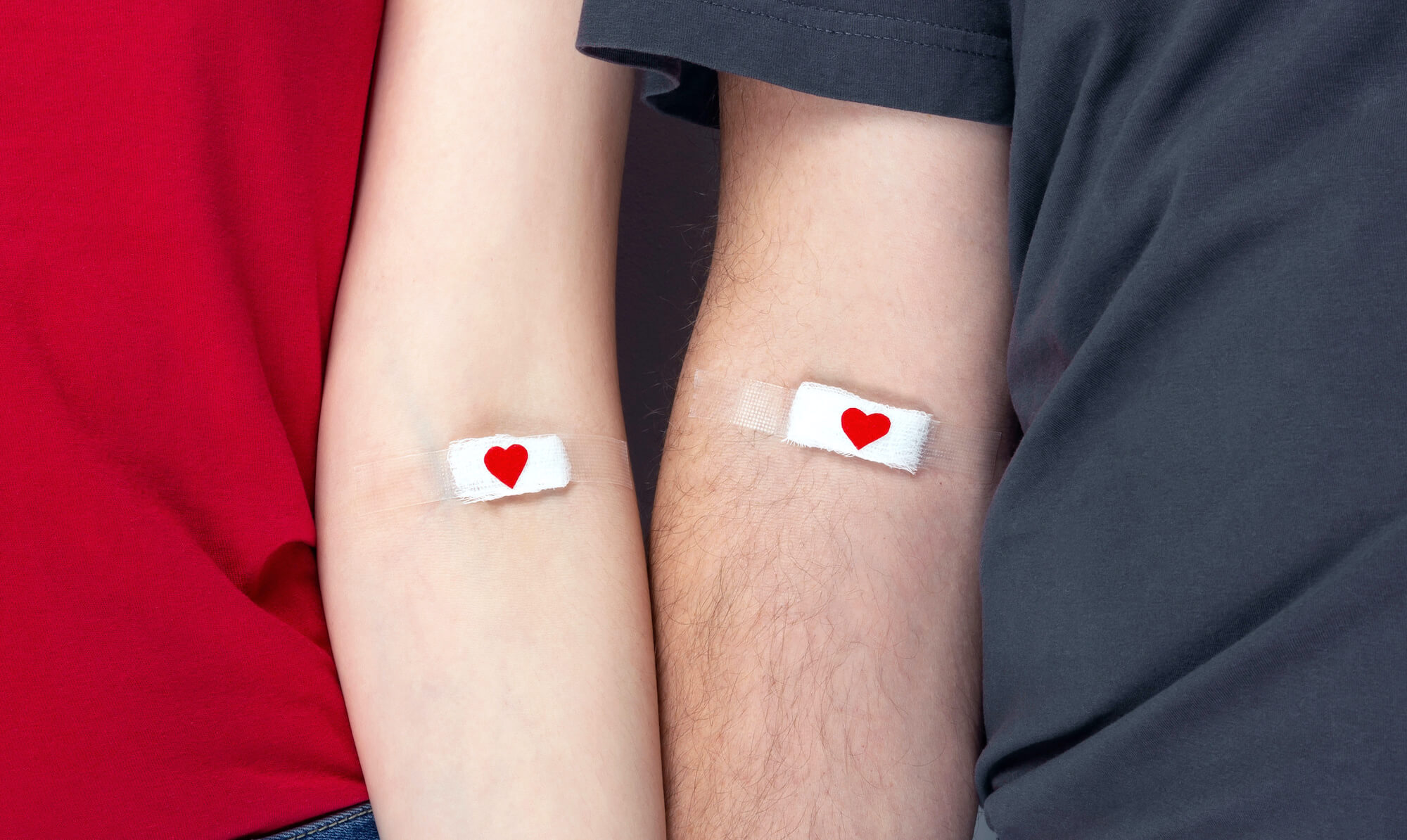
If you’re looking for a rewarding personal resolution in the new year, making a point to donate blood as often as possible is an excellent one. Donating blood truly does save lives on a daily basis, and many blood banks are in need of donations almost constantly. Donating blood helps people in times of emergency, affords lifesaving measures to those who need them and bolsters community health and wellness. Here, we’ll review some of the blood donation eligibility requirements.
There are several types of blood donations, with whole blood being the most common.
- Whole blood: This donation is used for transfusions or separated into its components to treat multiple people.
- Power Red: Red blood cells are separated from other blood components.
- Platelets: Donating the cells that help blood clot.
- Plasma: Donating the liquid portion of the blood.
- Double red cell: A donation of two units of concentrated red blood cells.
- Apheresis: A type of donation that separates blood components and then returns the remaining blood to the body—a process that can take up to one to two hours.
Minimum Age and Weight Requirements
Most blood donations happen through a local blood drive at a blood bank, blood donation center or hospital. While the Red Cross is the predominant organization for blood donation, there are others. Eligibility requirements are typically the same from one organization to the next, but it’s worth checking with your blood donation organization and state regulations to confirm your eligibility.
Whole Blood Donation
- Age: At least 17 years in most states. In states that allow those 16 years and older to donate.
- Weight: Typically, 110 pounds is the limit.
Power Red Donation
- Age: Men need to be at least 17 years old in most states and women need to be at least 19.
- Height and Weight: Men must be at least 5’1” tall and weigh 130 pounds or more. Women need to be at least 5’3” tall and weigh at least 150 pounds.
Platelet Donation
- Age: At least 17 in most states.
- Weight: Typically, 110 pounds is the limit.
Plasma Donation
- Age: At least 17 in most states.
- Weight: Typically, 110 pounds is the limit.
Health and Wellness Criteria
 As a general rule, you must feel well and be in good health when donating blood. If you feel like you have or might be getting a cold, the flu, or other illness, it’s best to stay home and reschedule your appointment. This also applies to infections, such as cold sores. You should be symptom-free and fully recovered from any recent illness at the time of donation.
The phlebotomist (specialist who draws blood) will take your current vital information, including temperature and blood pressure, but if you’re experiencing any of the following symptoms, reschedule your blood donation appointment:
- Fever
- Irregular heart beat
- High or low blood pressure
- Active infection
- Low iron levels
Travel Restrictions and Eligibility
Before you donate blood, a professional will check you in and ask you a series of questions regarding lifestyle, health history and even travel. This last one might come as a surprise. Why might travel affect your eligibility to donate blood? Traveling to at-risk countries can expose you to disease and health threats that can be transmitted through blood, such as malaria, Zika or Ebola virus.
Your eligibility will depend on which countries you visited during your travels, how long ago you were there, where you traveled while you were in the country, what kind of transportation you used, how long you stayed and any treatments for blood-borne illnesses you might have received during or after your travels.
Common Risks
If you have traveled to a country at risk for malaria, you must wait three years after completing treatment for malaria before donating blood. If you did not contract malaria or receive treatment, you must wait three months after returning from a trip where malaria is found. Additionally, for those who have lived in a country known to harbor malaria, wait three years after living for more than five years in that country.
For those who have contracted Zika, wait more than 120 days after you are no longer symptomatic. Those who have or have ever had Ebola virus are no longer eligible to donate blood.
Medication and Medical Conditions
A variety of medications and medical conditions can affect your ability to donate blood. Your phlebotomist will take a thorough medical history and talk through any current medications and conditions that might qualify.
The list of medications and vaccinations that can influence the timeframe in which you can donate blood, and whether or not your are eligible include:
- Aspirin
- Antibiotics
- Birth control
- Immunizations and vaccinations
- Insulin
- Specific prescription and over-the-counter medications
Medical conditions that can affect your eligibility include:
- Allergies
- Asthma
- Bleeding conditions
- High or low blood pressure
- High or low pulse rate
- Cancer
- Chronic illness
- CJD
- Diabetes
 Heart disease
- Heart murmur, heart valve disorder
- Hemochromatosis (hereditary)
- Hemoglobin, hematocrit, blood count
- Hepatitis, jaundice
- Hidradenitis suppurativa
- Hepatitis exposure
- HIV, AIDS
- Hypertension, high blood pressure
- Infections
- Monkeypox (exposure or diagnosis)
- Malaria
- Sickle cell
- Skin disease, rash, acne
- Tuberculosis
- Measles exposure
It’s worth noting that not every condition on this list prohibits people from giving blood. Each condition carries specific regulations and deferrals. Check with your local blood bank to learn more.
Pregnancy and Blood Donation
Women who are pregnant are not able to donate. Doing so can harm the health of the mother and the baby as women’s bodies require more blood and iron to support fetus health during pregnancy. Donating during this time can increase the risk of anemia and other complications. The American Red Cross recommends waiting at least six weeks after giving birth to donate blood.
For those who experienced a high risk pregnancy, check with your doctor before donating blood.
Interested in learning more about the health and wellness community in Aspen? Let us know what you’re interested in!
Vaccination and Blood Donation
Recent vaccines can impact your eligibility to donate blood. Here are the American Red Cross guidelines on common vaccinations and immunizations as they apply to blood donation:
Acceptable Vaccines (if you are symptom and fever-free):
- Influenza
- RSV
- Pneumonia
- Tetanus
- Meningitis
- TDAP vaccine
- HPV vaccine
- Shingles vaccine (however there are deferral periods depending on which vaccine you receive, SHINGRIX or Zostavax)
Vaccines that Require a Waiting Period
- German Measles (Rubella): Wait 4 weeks
- MMR (Measles, Mumps, and Rubella): Wait 4 weeks
- Chicken Pox: Wait 4 weeks
- Zostavax: Wait 4 weeks
- Red Measles (Rubeola): Wait 2 weeks
- Mumps: Wait 2 weeks
- Polio (by mouth): Wait 2 weeks
- Yellow Fever: Wait 2 weeks
Vaccines with Special Considerations
- Hepatitis B: Wait 21 days as long as you are not given the immunization for exposure.
- COVID-19 and COVID-19 Booster Shot:
- Acceptable if non-replicating, inactivated or RNA-based COVID-19 vaccine manufactured by Janssen/J&J, Moderna, Novavax or Pfizer providing you are symptom-free and fever-free.
- Wait two weeks if vaccinated with a live attenuated COVID-19 vaccine.
- Wait two weeks if you’re not sure which vaccine you received.
- Smallpox/Monkeypox vaccine: There are two types of Smallpox/Monkeypox vaccines. If you do not know which vaccine you received, you must wait eight weeks to donate as a precaution.
- Smallpox vaccination: You are eligible to donate if you had close contact with someone who has had the smallpox vaccine in the last eight weeks and you did not develop any skin lesions or other symptoms. If you have had close contact with someone with the disease and you have since developed symptoms, you must wait eight weeks from the date of the first skin lesion or sore.
Frequency of Donation
 So, how often can you donate blood? Donation frequency depends on what type of donation you plan to make and how long you should let your body recover in between.
Whole Blood Donation: Every 56 days, up to six times per year
Power Red Donation: Every 112 days, up to three times per year
Platelet Donation: Every seven days, up to 24 times per year
AB Elite Plasma Donation: Every 28 days, up to 13 times per year
Note the number of allowable donations is dependent upon red cell and plasma loss limit guidelines and can be adjusted depending on your levels at the time of donation.
Why Eligibility Requirements Matter
Ensuring you follow and are honest about your eligibility requirements is paramount to your health and the health of the person who receives your blood donation. Blood donation requirements allow you to donate safely while also protecting patients from anything in a donor’s blood that can cause harm, including bloodborne disease or medications.
How to Confirm Your Eligibility
 There are a variety of ways to confirm your eligibility to donate blood before you schedule or go in for your appointment. The American Red Cross offers a comprehensive list of eligibility requirements. Additionally, you can register for the organization’s RapidPass program, which allows you to pre-register for your blood donation appointment, answering most eligibility questions before leaving your house.
If you’re working with a blood donation organization other than the Red Cross, visit the website to learn more about any requirements. Be prepared to answer a series of personal health- and lifestyle-related questions upon arrival to your appointment. You will also have your blood pressure taken and provide a small blood sample to confirm iron count.
Conclusion
Donating blood is an incredibly rewarding way to give back to your community. Blood banks are always in need of viable donations. This year, make donating blood a priority by learning about your eligibility before you go. This small act of selflessness can have life-changing impacts.