


How to Ensure Healthy Ears and Hearing
From the joy of birdsong in spring to the warning alert of moving machinery, healthy ears and hearing is essential to our quality of life and safety. Here are some important ways to keep your ears happy and healthy.
Understanding Your Ears
The ear is a pretty incredible mechanism. Made of three distinct parts, this noise-capturing masterpiece works in harmony between the outer, middle and inner ear.
- The outer ear, composed of the auricle (pinna), external auditory canal and tympanic membrane (eardrum), collects sound waves.
- The middle ear, composed of the auditory ossicles (three tiny bones that amplify and transmit vibrations) and the eustachian tube, amplifies and transmits the sound waves collected by the outer ear.
- The inner ear, which includes the cochlea, vestibule and semicircular canals, then converts those sound waves into nerve singles that are sent along to the brain.
 Healthy ears can capture and decipher all frequencies and easily understand conversations. They produce a normal amount of earwax—a natural way for the ear to protect itself. There shouldn’t be any discharge from a healthy ear and no unexplained pain, pressure or itching.
Alternatively, people suffering from unhealthy ears might experience pain, pressure or fullness in the ear, hearing loss or sounds becoming muffled, changes to the eardrum such as redness, tinnitus (ringing or buzzing in the ears) or symptoms such as fever, dizziness, vertigo or problems with balance.
Daily Ear Practices
The most important thing to note when it comes to keeping your ears clean is to avoid inserting anything, including cotton swabs, into the ear canal. This can result in a punctured eardrum. Instead, use a damp cloth to wipe the outer ear. If you’re experiencing earwax buildup, try an over-the-counter earwax softener to help loosen and soften the wax, making it easier to remove.
If you feel you need additional help cleaning your ears, talk to an otolaryngologist (an ear doctor) about irrigating your ear. Avoid ear candling; it is not recommended for removing ear wax and can potentially damage the ear.
For people who spend time in the water, such as swimmers, it’s worth investing in a well-fitted swim cap that covers your ears, ear plugs or custom swim molds. If you do get water in your ear, make sure to drain it once you’re done with a towel, hair dryer on the lowest heat and speed/fan setting or hopping on one foot with the ear pointed toward the ground to force water out. Try to avoid drying agents that contain rubbing alcohol, as too much use can lead to irritation or excessive dryness in the ear canal.
 Protecting Your Hearing
The best way to protect your hearing is to limit your exposure to loud noises. According to the National Institutes of Health, “Sounds at or below 79 A-weighted decibels (dBA), even after long exposure, are unlikely to cause hearing loss. However, long or repeated exposure to sounds at or above 85 dBA can cause hearing loss. The louder the sound, the shorter the amount of time it takes for hearing loss to happen.” Here are some examples of sounds and their associated decibel levels for reference:
- Fireworks: 150 dB
- Jackhammer: 130 dB
- Sirens: 120 dB
- Loud concert: 110–120 dB
- Chainsaw: 100–120 dB
- Factory machinery: 100 dB
- Blender: 80 dB
- Coffee grinder: 70–80 dB
- Hairdryer: 60–95 dB
- Normal conversation: 50–60 dB
- Quiet bedroom: 30–40 dB
To help protect your ears from hearing loss due to loud noises, use ear protection when you’re in loud environments with a decibel level at or above 85 dBA. If you’re someone who uses headphones or earbuds to listen to music, podcasts, audiobooks or the news, it’s important to monitor your use. Follow the 60/60 rule: use your headphones at or below 60% of the maximum volume for no more than 60 minutes at a time. Make sure to clean earbuds to prevent earwax buildup or exposure to bacteria. Opt for noise-cancelling headphones to help quiet the experience on your ears.
Recognizing Warning Signs
If you notice changes in your ears, it’s important to seek medical attention. Specifically, yellow, green, cloudy white or bloody discharge can signify infection or damage. Severe pain is another reason to talk to your doctor immediately. If your ear looks swollen or is painful to the touch, or if you have a fever associated with ear pain, talk with a doctor.
Additionally, it’s important to understand and recognize signs of hearing loss, especially as you get older. These can include:
- Needing to turn up the volume on the radio or TV or rely on subtitles, even in your own language
- Feeling like people are mumbling
- Asking people to repeat themselves frequently
- Difficulty understanding speech especially in loud places or when people are turned away from you
Tinnitus, or ringing, buzzing or hissing in the ears, is another tell-tale sign of hearing loss most likely due to damage to the cochlea (tiny hair cells of the inner ear) from natural aging or loud noise exposure.
Another notable symptom associated with ear damage is problems with balance. The inner ear senses head movement and helps the body maintain balance. When certain factors affect the inner ear’s ability to do this, it can result in vertigo, dizziness or loss of balance. Causes can include benign paroxysmal positional vertigo (BPPV), Ménière’s Disease, labyrinthitis, vestibular neuritis and certain medications or neurological conditions.
Common Ear Problems and Prevention
The most common problem affecting the ear is ear infections, also known as otitis media. These are typically caused by bacteria or viruses in the middle ear after a cold or respiratory infection. People can also develop ear infections if water gets trapped in the ear, the eustachian tube isn’t working correctly, they experience allergies or endure exposure to irritants.
 Doing your best to stay healthy during cold and flu season can help. Avoid secondhand smoke and allergens if possible. New mothers who breastfeed for at least six months can help protect a newborn’s ears. Treat sinus infections promptly to avoid fluid buildup. Finally, make sure your immunizations are up to date.
As mentioned, drying your ears after exposure to or submersion in water can help prevent infection. Water trapped in the ear after swimming can lead to bacteria or fungi living in the ear. Doctors can prescribe treatments. Again, avoid over-the-counter drops that contain rubbing alcohol.
As you get older, make sure you get regular hearing screenings. Use hearing protection and maintain a healthy, active lifestyle. Limit exposure to loud noises and avoid smoking. If you notice changes in your hearing, talk with your doctor about possible causes and treatments.
There are some drugs and medications that can lead to hearing loss, also known as ototoxicity. Certain antibiotics, chemotherapy drugs, diuretics and pain relievers can result in hearing damage. Symptoms typically include tinnitus, balance issues, dizziness and a feeling of fullness in the ears.
Technology and Hearing Health
Technologies designed to enhance hearing and prevent hearing loss continue to emerge and are becoming increasingly better. If you’re suffering from hearing loss, talk to your doctor about:
- Hearing aids and assistive devices
- Apps for hearing protection and monitoring, including sound level meters, transcription apps, apps designed for tinnitus relief and personal hearing tests
- Smart home adaptations for hearing loss, such as visual or vibrating alerts for important sounds, smart doorbell systems and alerting devices
As our wireless world becomes increasingly more connected, those suffering from hearing loss are finding a variety of support tools, including AI integration, wireless connectivity enhancements and sound processing techniques. Hearing aids can embed within the ear or are increasingly discreet. Hearing aids use bluetooth technology and come with rechargeable batteries and AI algorithms can analyze personal hearing profiles and adjust hearing aid features accordingly.
When to See a Healthcare Professional
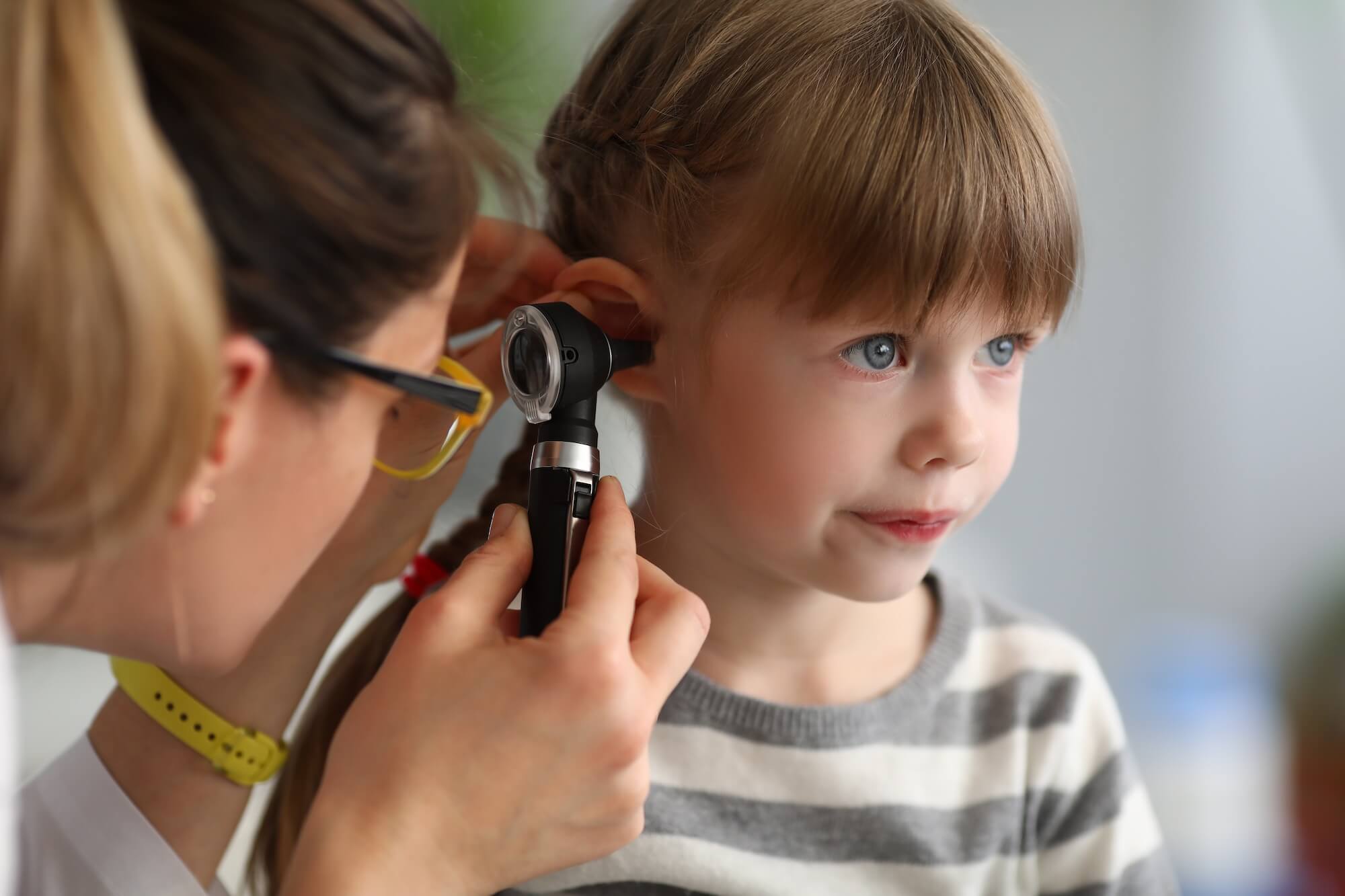
You should incorporate your hearing health into your annual wellness visits, or more frequently if needed. Talk with your primary care provider about the best type of specialist to see if you need one. During an ear examination, you can expect the doctor to use an otoscope to examine the ear canal and eardrum. Additional testing can include a hearing test or imaging to rule out concerns.
Conclusion
Healthy ears contribute to overall wellbeing by enabling communication, social interactions and enjoyment. As you age, make sure to protect your ears from loud noises and earbud use. Talk with your Ear, Nose, and Throat (ENT) doctor about getting a baseline hearing test for reference. Maintain a healthy, active lifestyle and don’t be afraid to rely on technological advances and hearing aids if you need to. Healthy hearing keeps you engaged with the world around you.
For more information on whole-body wellness, join us on your Healthy Journey!