

Mind & Body
Crucial Ski Safety Tips Every Skier Should Know
The ski season has arrived. Before you head to the hill, it’s important to take stock of your ski safety checklist, ensuring you have the proper equipment, information and skills to make your time skiing rewarding while avoiding potential accidents and injury.
Always Wear a Helmet
A properly-fitted ski helmet can help reduce the risk of head injuries while skiing by up to 60%. Helmets protect against the force of a fall or blow to the head by absorbing that force and distributing it across a larger area. Helmets can also reduce the rate your head accelerates during a fall, studies have shown. This slowed acceleration can help prevent severe brain injuries. Helmets also protect against skull fractures.
When buying or renting a ski helmet, make sure it fits snugly, without applying too much pressure. It should cover your head from your forehead to the base of your skull without exposure. Also check for proper impact protection, including a multi-directional impact protection system (MIPS), and any safety certifications like ASTM (American Society for Testing and Materials) or CE (European Conformity) when purchasing a helmet in Europe.
Also wear the helmet for a bit to ensure it’s comfortable. You’ll be spending full days on the ski hill in this headpiece so it’s important it provides enough ventilation, a small visor if you want one and comfortably fitting straps that don’t rub your face or neck. Most importantly, replace your helmet if you notice any damage or have been in a serious accident that results in helmet impact.
Dress for Safety and Comfort
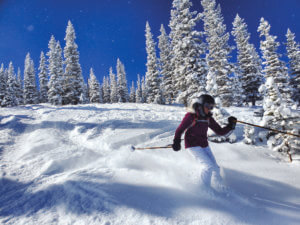 Properly layering clothing is key to enjoying your time on the slopes. It’s best to invest in non-cotton, synthetic or wool layers designed to wick moisture and dry quickly. Layer them according to the forecast, starting with a base or light layer, followed by a mid or thermal layer. Dry, warm ski socks are an essential part of skier safety. It’s well worth investing in a decent pair.
Outer layers should include a water or weatherproof shell jacket and pants. If your jacket and pants aren’t insulated, throw in a lightweight down jacket or additional fleece for extra warmth on cold days.
Additional items you shouldn’t ski without include:
- Weatherproof gloves or mittens (and hand warmers if you use them)
- Goggles
- Helmet
- Neck gaiter or buff
- Hat for before and after skiing
Check Weather and Avalanche Reports
Before you head out the door, spend a few moments assessing the current weather report, snow report and avalanche conditions if you plan to venture out of bounds or into the backcountry.
Here are some things to consider when making responsible choices for safe skiing:
- Temperature – How warm or cold it is outside can affect both your enjoyment level and your safety. Bundle up on cold days and cover any exposed skin to avoid frostnip or frostbite. Days that go from cold to warmer can influence snow conditions. Understand how temperature fluctuations might impact the conditions outside.
- Wind and Wind Chill – Windy days can add to the odds of frost-related injury as well as the drop in temperature.
- Snowfall – Freshies are why we love to ski! Just make sure to know your limits as it relates to new and current snowfall.
- Visibility – Weather systems can obscure visibility on a ski mountain. Check in with your local ski report for current visibility. Change goggle lenses if necessary and stick to terrain you know well if visibility is limited.
For those who like to venture into the side or backcountry, avalanche reports are a winter safety necessity. Don’t leave home without knowing the latest conditions and risks. To learn more about avalanche awareness, start by visiting the Know Before You Go website for basic information and first steps. Additional avalanche training, such as an Avi I or Avi II course, is another excellent way to up your proficiency in the backcountry.
And start every day by visiting your local avalanche forecast:
- In the United States: avalanche.org
- In Canada: avalanche.ca
- In Europe: avalanches.org
This vital information includes current avalanche conditions, warnings, recent slides, weather forecasts, pictures, discussions, observations and more.
Invest in Proper Skiing Equipment
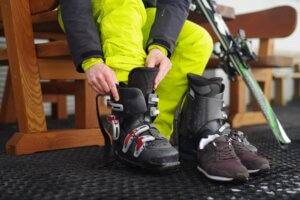 If you’re in the market for new ski equipment, a visit to your local sporting goods shop is in order and will be well worth your time. Getting properly fitted for equipment is a good way to keep yourself safe on the hill. Here are some additional tips for your equipment:
- Ski boots should be snug, but fit with enough room to wiggle your toes and allow for blood flow.
- How long and wide your skis are depends on your height, weight, ability level and end use. Talk with your local ski tech about the best options.
- For poles, grab your pole by the basket end, with the basket facing up and the handle end on the ground. Your elbow should be at a 90-degree angle. This general rule is a good one to follow for proper pole fit.
Pay attention to your equipment throughout the season—tuning as necessary. Early season conditions, such as exposed rocks and logs, can take a toll on the bases of your skis. Applying the proper wax for current conditions helps you glide on top of the snow. Finally, make sure your bindings have the proper DIN setting. This is the setting that allows your boot to release from your ski if you fall. It’s dependent on your height, weight and skill level and should be set by a professional ski tuner.
Know Your Ability Level and Stay Within It
There’s a basic universal rating system for ski areas world-wide: green circles are the easiest, blue squares are intended for intermediate skiers and black diamonds should only be skied by experts. Of course, there’s variation within this rating system. Not all resorts view terrain equally and a blue square at one resort might be a black diamond somewhere else. Additionally, a double black diamond is reserved for runs that pose hazards, such as cliff bands, rollovers or incredibly steep terrain.
It’s important to understand your ability level as it relates to this rating system. If you’re new to a mountain, start conservatively on easier terrain before working your way up. Take snow and terrain features, such as moguls, jumps, gullies, cliffs and steeps into consideration when choosing your runs. Overestimating your skills can result in injury to yourself or others, and should be something every skier strives to avoid.
Tell us what you’re interested in and we’ll help prep you for ski season:
Take a Lesson or Refresh Your Skills
Even advanced skiers can benefit from some pro tips. Whether you’re new to the sport or you want to brush up on your park skills or steeps, investing in professional instruction is a great way to do it.
Advanced lessons can improve technique and safety, focusing on how to select the best and safest terrain while pinpointing aspects of your ski style. Hone in on articulation, properly weighting and unweighting your skis, arcing a turn, terrain park elements, moguls, powder skiing and more.
Observe Slope Etiquette
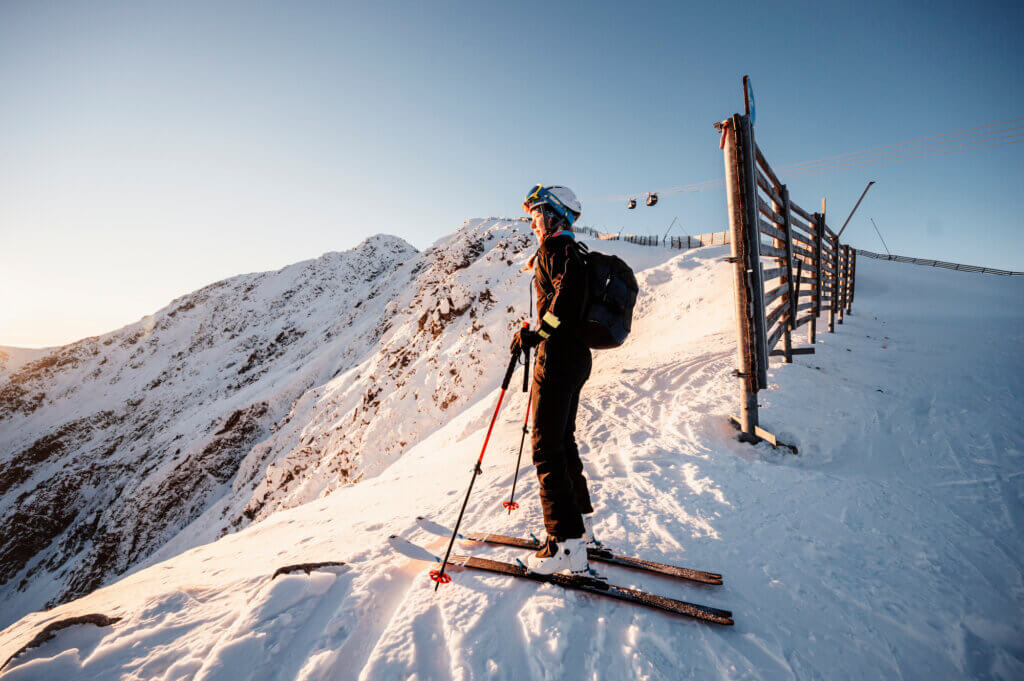
When you’re out on the ski hill, proper ski etiquette and awareness are paramount to your safety and the safety of those around you. Here are a few things to keep in mind:
- Ski in control and be able to stop yourself without running into others.
- Never stop where others can’t see you or you might be in the way, such as the middle of the ski run or beneath a rollover.
- Pay attention to signs and warnings, including slow signs, merging trails and out of bounds.
- Stay out of closed areas.
- People ahead of you have the right of way.
- Maintain a safe distance from others.
- If you see an accident, stop and help by diverting skier traffic and calling ski patrol if necessary.
- Know how to properly load, ride and unload chairlifts safely.
When passing other skiers, make sure those around you are aware. Give a heads up with an “On your left” or “On your right” as well as plenty of room as you ski by. When trails merge, make sure to look to the uphill or merging slope to avoid a collision.
Stay Aware of Surroundings
Spatial awareness is an important aspect of skier safety. Understand terrain, crowds, slow zones and natural features. While it might be easy to only look to the next turn, jump, wind lip or park feature, peripheral vision is your friend on the hill. Always be looking both ways and even glance uphill as you make your way down it. Avoid collisions with other skiers, trees and mountain equipment and infrastructure such as tram and chairlift towers.
Hydration and Nutrition: Fueling Your Day
It can be easy to get caught up in the moment—especially when conditions are prime and you’re raring to go. But taking a few moments before you hop on the chairlift to properly fuel up and hydrate will help keep you going longer. Make sure to stash some snacks in your pocket and refuel throughout the day. If you aren’t carrying a pack with a water bladder or bottle, swing into the nearest lodge from time to time to hydrate. Eating snow will not quench your thirst, and in fact, can add to dehydration as your body has to work to melt the snow and convert it to water. Instead, pay attention to your body’s needs throughout the day, staying on top of hunger and thirst and avoiding unnecessary injury in the process.
Here are some ideas for quick, energy-boosting snacks on the slopes:
- Granola bars or energy bars
- Cheese slices
- PB&J
- Dried fruit
- Fruit slices
- Peanut butter or nut butter pouches
- Jerky
- Nuts
What to Do in Case of Emergency
 It’s a good idea to pack a small first aid kit and communication device. Hand-held radios with a wide range work well. Keep in mind that many ski resorts have pockets of poor cell service and your phone might not work in places.
Most ski areas will list the phone number for ski patrol on the back of a ski pass or day pass. If not, make sure you make note of it somewhere. If someone is injured while skiing, take the following steps:
- Evaluate the situation.
- Contact ski patrol and provide a report of the accident or injury.
- Check for serious injuries. Make sure the person is breathing and has a pulse, and that their airway is not obstructed (begin CPR if they are not). Stabilize the person if you suspect a head, neck or back injury.
- Gather information, including the person’s name, age and any relevant medical information they can provide, including details of the accident.
- Make sure the person is staying warm, especially for someone who is laying on the snow.
- Divert traffic around the person by putting your skis or poles in an X in the snow or having someone in your group stand and direct people away.
Conclusion
If you’re itching to pull out the sticks, saddle up to the tuning bench and get ready for some fresh powder skiing, we’re with you. Everyone is excited to head to the slopes! Taking some simple safety precautions and maintaining safety awareness throughout the season is an important and responsible aspect of enjoying your time in the mountains. Stay safe and enjoy the slopes!