

Best Foods for Colon Health: How to Craft a High Fiber Prevention Diet
Colorectal cancer is the second leading cause of cancer death in the United States, and yet it is one of the most preventable cancers we know of. Research consistently shows that a diet make up of the best foods for colon health can meaningfully reduce your risk, and that making smart, sustainable changes to what you eat is one of the most powerful tools you have.
The good news is that eating well for your colon health does not mean incorporating a restrictive diet or giving up the foods you love. It means building a plate that works with your body rather than against it.
In this guide, we will break down exactly which healthy foods are best to regularly incorporate on your plate, which ones to limit (and what to swap them with) and what a realistic day of eating looks like when you are following a high fiber diet for colon health.
The Role Diet and the Foods You Eat Play in Promoting Colon Health
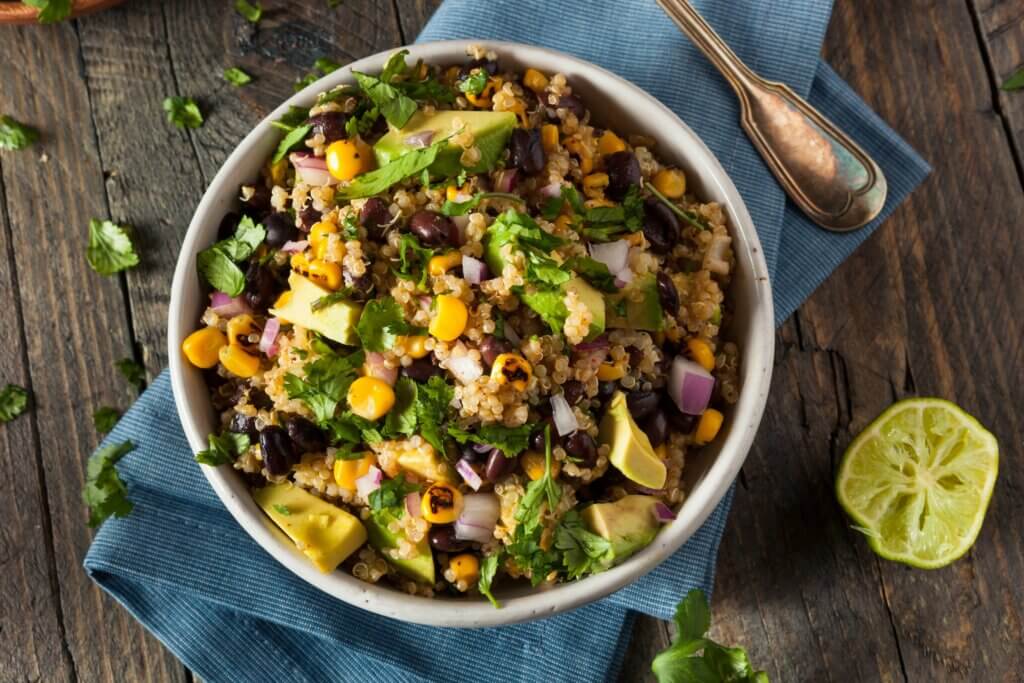
You might wonder how much the foods you eat really matter when it comes to the health of your colon.
Studies suggest that colorectal cancer is preventable in up to 50% of patients with simple lifestyle changes. Diet and eating the right foods to prevent colon cancer are a big part of this.
And when you know which foods are genuinely the best foods for your colon health, choosing them starts to feel less like a restriction and more like a prevention decision you are making for yourself.
How Your Colon Works and Why a Diet Made Up of Good Foods Matters
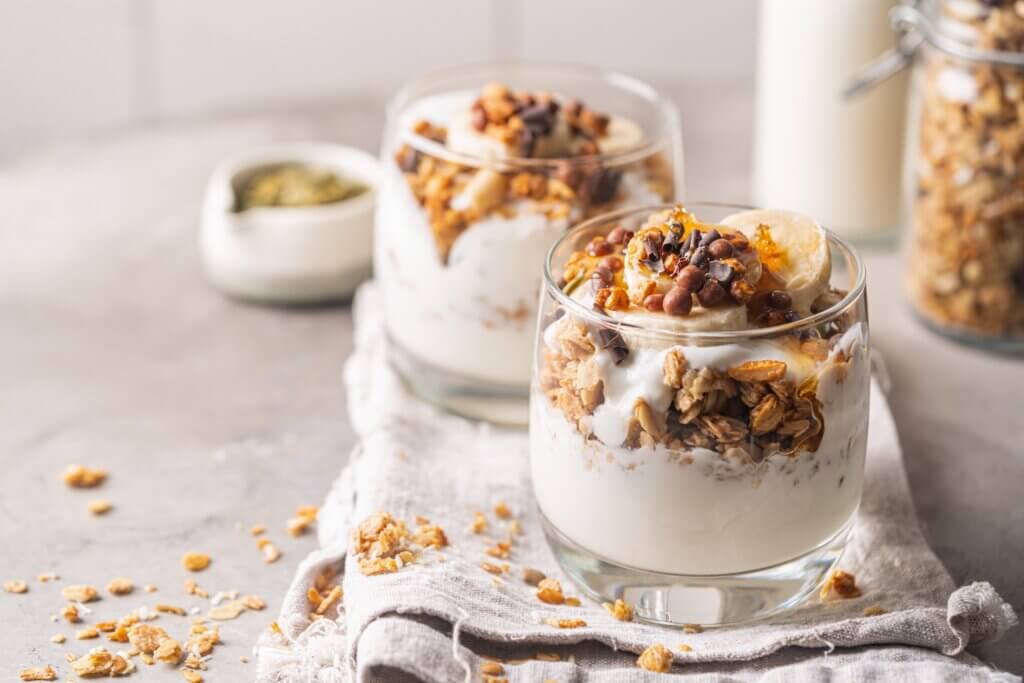
Your colon is the final stretch of your digestive system. Its job is to absorb water, process waste and keep a healthy community of bacteria thriving in your gut.
Every day, the foods you eat either support or stress the processes and the health of your colon. When foods move through your colon too slowly, waste lingers longer than it should, giving any harmful substances more time to come into contact with the colon lining and impact your health.
A healthy diet for colon health keeps things moving at the right pace and gives your gut the nutrients it needs to stay strong.
Your Gut Bacteria are Working Hard for You and Your Colon Health
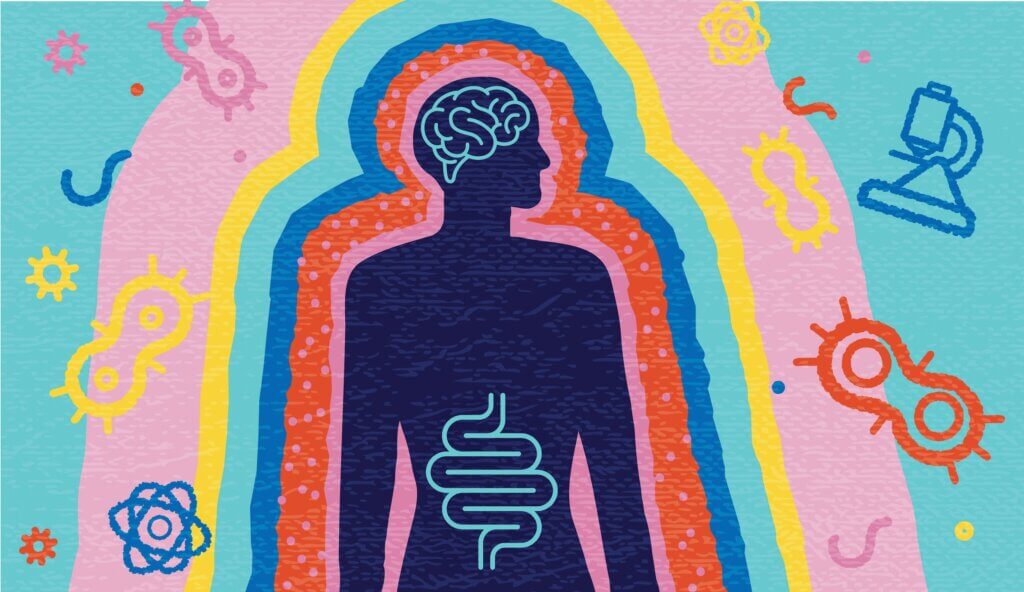
Inside your colon, trillions of bacteria make up what is known as your gut microbiome. When they ferment dietary fiber, they produce compounds called short-chain fatty acids.
One of those compounds, butyrate, is particularly important for colon health. Butyrate feeds the cells lining your colon and helps protect them from damage. It also has anti-inflammatory and anti-cancer properties that researchers continue to study.
When your gut bacteria are well-fed with the best foods for colon health, they do their job. When they are not, the balance tips toward inflammation, and chronic inflammation is one of the key drivers of colorectal cancer over time.
Inflammation and Why it Matters for Your Colon Health
Short-term inflammation is a part of the healing process. But when it is always switched on at a low level, it slowly damages healthy cells. In the colon, that ongoing damage can lead to changes in cells that, over time, increase cancer risk.
The foods you eat have a direct influence on how much inflammation your body carries, and thus have an impact on the health of your colon. Some foods turn the alarm down. Others keep it running.
A colon cancer prevention diet is really, at its core, an anti-inflammatory, healthy way of eating and the best foods for colon health tend to be the ones that actively work to quiet that alarm.
The Best Types and Categories of Foods for Colon Health
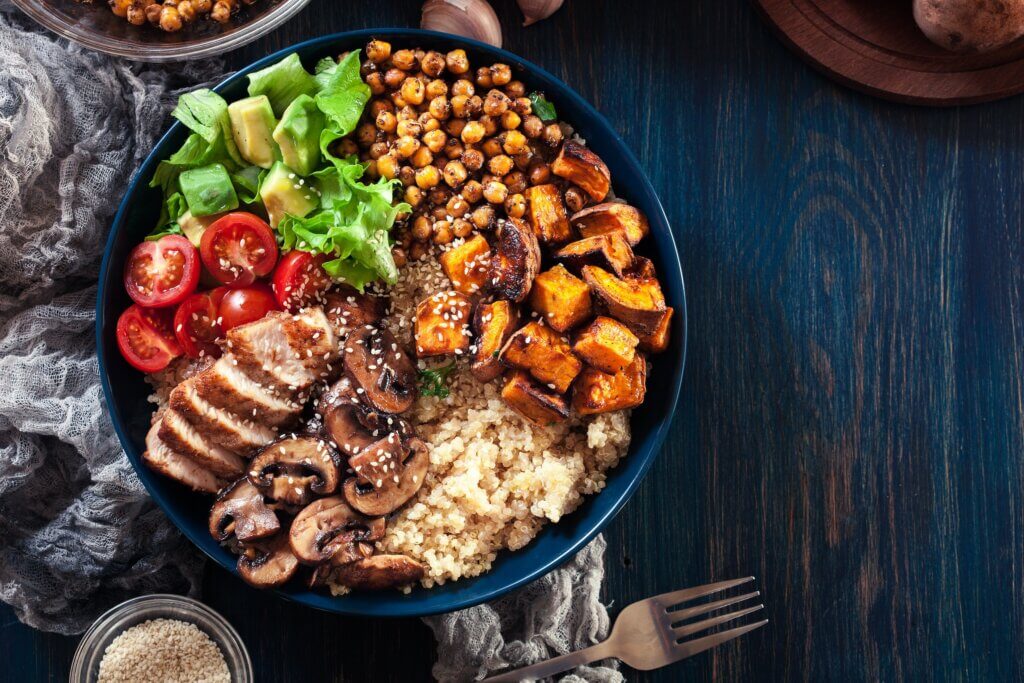
A healthy diet for colon health is not complicated, but it does involve intentional and thoughtful food choices.
The following categories represent the best foods for colon health based on what the science tells us. Together they form the backbone of a diet that genuinely supports long-term colorectal wellness.
Fiber filled foods are the cornerstone of any diet that promotes colon health. Most American adults get around 10-15 grams of fiber per day, which is well below the recommended 25 to 38 grams.
There are two types of fiber, and both should be incorporated into the foods you eat for a colon cancer prevention diet.
Soluble fiber can dissolve in water and turns into a substance that resembles gel. It slows digestion and feeds beneficial gut bacteria, helping produce those protective short-chain fatty acids mentioned above.
You’ll find soluble fiber in oats, beans, lentils, apples and flaxseed. These are among the best foods for colon health precisely because of how directly they nourish the gut microbiome.
Insoluble fiber can’t dissolve in water. It adds bulk to your stool and helps waste move through the colon more quickly, which reduces the amount of time any harmful substances spend in contact with the colon wall. Whole wheat bread, bran, nuts and vegetable skins are good sources of insoluble fiber to incorporate into your colon health diet.
The European Prospective Investigation into Cancer and Nutrition (EPIC) study, which followed participants for over two decades, found that people in the highest group for fiber intake had a lower risk of developing colorectal cancer when comparing them to the lowest fiber group.
That is one of the most cited findings in the field, and it is a strong argument for making high-fiber foods the centerpiece of your approach to colon health.
Broccoli, cauliflower, brussels sprouts, cabbage and kale are not just foods that are high in fiber. They contain natural plant compounds called glucosinolates, which the body converts into a substance called sulforaphane.
Sulforaphane has been studied for its ability to inhibit the growth of abnormal cells in the colon, making these types of foods a powerhouse for promoting colon health.
Think of cruciferous vegetables as foods that pull double duty for colon health: fiber plus targeted colon protection in the same bite.
If you are building a plate around the best foods for colon health, cruciferous vegetables are an excellent addition.
This combination is frequently left off lists of the best foods for colon health, which is a real gap because there’s evidence to support their incorporation into a prevention diet.
Both calcium and vitamin D have been associated with a reduced risk of colorectal cancer in multiple studies.
Calcium may help neutralize bile acids and fatty acids in the colon that can irritate the lining, while vitamin D plays a role in regulating cell growth.
The American Cancer Society notes the importance of a balanced diet that includes these nutrients for reducing cancer risk. Good sources include low-fat dairy, fortified plant-based milks, salmon, sardines and leafy greens. Add these foods to your colon health diet for that extra boost.
Probiotics introduce beneficial bacteria directly into your gut. Foods like plain yogurt, kefir, kimchi, sauerkraut and miso all deliver live cultures that help maintain a healthy, balanced microbiome (including your colon).
The connection between a diverse gut microbiome and reduced colon cancer risk is an area of active health research, and the early signals are encouraging.
That said, probiotics work best for your colon health when paired with prebiotic fiber, the foods those bacteria need to survive and thrive. One without the other is like adding fish to a tank with no water.
Together, they make up one of the most effective combinations in any healthy diet for colon health and reducing cancer risk.
Healthy foods like berries, tomatoes, leafy greens, peppers and other colorful produce are packed with antioxidants, compounds that neutralize free radicals before they can damage the health of your colon cells.
Lycopene, found in tomatoes and watermelon, and quercetin, found in onions and apples, are two that have received particular attention in cancer research.
Green tea also contains a powerful antioxidant called EGCG that has shown promise in lab studies of colon cell protection.
Eating a wide variety of colors at every meal is a practical way to make sure you are getting a full range of the best foods for colon health without having to overthink it.
Fatty fish like salmon, sardines and mackerel are all foods rich in omega-3 fatty acids, which have well-documented anti-inflammatory effects throughout the body (an important component of colon health).
Some research suggests that foods containing omega-3s may also reduce the formation of polyps in the colon, which are the precursors to colorectal cancer.
Walnuts, chia seeds and ground flaxseed are plant-based foods that can promote colon health for those who do not eat fish. If you are looking to build the best diet for colon health, omega-3 sources deserve a regular place at the table.
What Foods to Avoid in a Colon Cancer Prevention Diet

Knowing what to eat is only half the equation. Knowing the best foods to limit and, just as importantly, the best foods to reach for instead, helps you make changes for your colon health that actually stick.
None of the following requires perfection. When it comes to identifying and incorporating the best foods for colon health, small, consistent shifts are what move the needle over time.
Bacon, hot dogs, deli meats, sausages and other cured or smoked meats fall into a category that the World Health Organization’s International Agency for Research on Cancer (IARC) has classified as Group 1 carcinogens, which essentially means there’s sufficient evidence that they can cause cancer in humans.
The mechanism involves compounds that form during curing and smoking, as well as chemicals that develop when meat is cooked at high heat.
The IARC estimates that each 50-gram daily serving of processed meat raises colorectal cancer risk by about 18 percent. For perspective, this is equivalent to a hot dog or a couple slices of bacon.
This is not a reason to panic, but it is a reason to be thoughtful about how often these foods show up on your plate compared to the high fiber and nutrient dense diet options that are the best for colon health.
Better Alternatives:
- Replace bacon at breakfast with salmon or a plant-based protein like seasoned tempeh.
- Swap deli meat in your sandwich for grilled chicken breast, canned tuna or hummus with vegetables.
- Choose fresh turkey in smaller portions when you want a savory, satisfying option.
White bread, packaged snack foods, sugary cereals and fast food are low in fiber and high in refined carbohydrates that cause rapid spikes in blood sugar.
Over time, those spikes promote systemic inflammation and gut dysbiosis, which is the term for an imbalance of bacteria in the colon.
These foods also displace high fiber foods that promote colon health from your diet, creating a double problem. A colon cancer prevention diet naturally limits ultra-processed foods simply by filling your plate with options that are better for your overall health.
Better Alternatives:
- Trade white bread for 100 percent whole grain bread, which offers both fiber and a slower, steadier release of energy.
- Replace packaged snack foods with nuts, seeds or fresh fruit, which are filling and colon-friendly.
- Swap white rice for brown rice, farro, quinoa or barley to meaningfully increase your daily fiber intake at almost every meal.
There’s been a lot of buzz lately about the impact of alcohol on health, including everything from its impact on the heart to the gut.
Much like cured meats, alcohol is also now defined as a Group 1 carcinogen by the IARC.
When the body metabolizes alcohol, it produces a byproduct called acetaldehyde, which can damage the DNA inside colon cells in ways that increase cancer risk.
The risk is consistent and present at all levels of consumption, though it does increase with the amount you drink.
Current guidelines suggest that if you do drink, limiting intake to no more than one drink per day for women and two for men reduces overall cancer risk.
Less alcohol is better when it comes to a healthy diet for colon health.
Better Alternatives:
- Reach for sparkling water with citrus or herbs when you want something refreshing and feel-good without the alcohol.
- Try non-alcoholic beer or wine options, which have improved significantly in recent years, when you want to participate socially without the added risk.
Sodas, sweetened teas, flavored coffees and fruit juices with added sugar contribute to weight gain and obesity, which is itself a risk factor for colorectal cancer.
Added sugar in food and drink also feeds the type of gut bacteria you do not want to encourage, disrupting the microbiome balance that plays such a key role in colon health.
The connection between sugar and colon cancer is largely indirect, but meaningful enough to pay attention to.
Every sugary drink you swap for a healthy option is a small boost for all the good foods you’ve incorporated into your colon friendly diet.
Better Alternatives:
- Choose unsweetened green tea, which delivers antioxidants alongside hydration and pairs well with a high fiber diet for colon health.
- Flavor water naturally with cucumber, mint, lemon or fresh berries when you want something beyond plain water.
- When you want something sweet, reach for whole fruit instead of juice. You get the flavor along with fiber and nutrients, not just the sugar.
Red meat is classified by the IARC as a Group 2A probable carcinogen, meaning the evidence is suggestive but not conclusive. The risk appears dose-dependent, and most guidelines suggest limiting red meat to no more than 18 ounces of cooked meat per week.
How you prepare the meat makes a difference, too. High-heat cooking like grilling and charring your food produces compounds called HCAs and PAHs that have been linked to DNA damage in colon cells.
This does not mean red meat is off the table forever. It means moderation and preparation matter, and that most of your protein choices are better filled by foods that promote colon health, like fish, legumes and poultry.
Better Alternatives:
- Opt for fatty fish (e.g., salmon), where you can get both the anti-inflammatory benefits of omega -3’s and protein.
- Use legumes like lentils, black beans or chickpeas as the protein base in soups, tacos or grain bowls. These foods are high in both protein and fiber, which are critical for a diet that prioritizes colon health.
- When you do eat red meat, bake, broil or slow-cook it rather than charring at high heat.
Example of a High Fiber Colon Cancer Prevention Diet
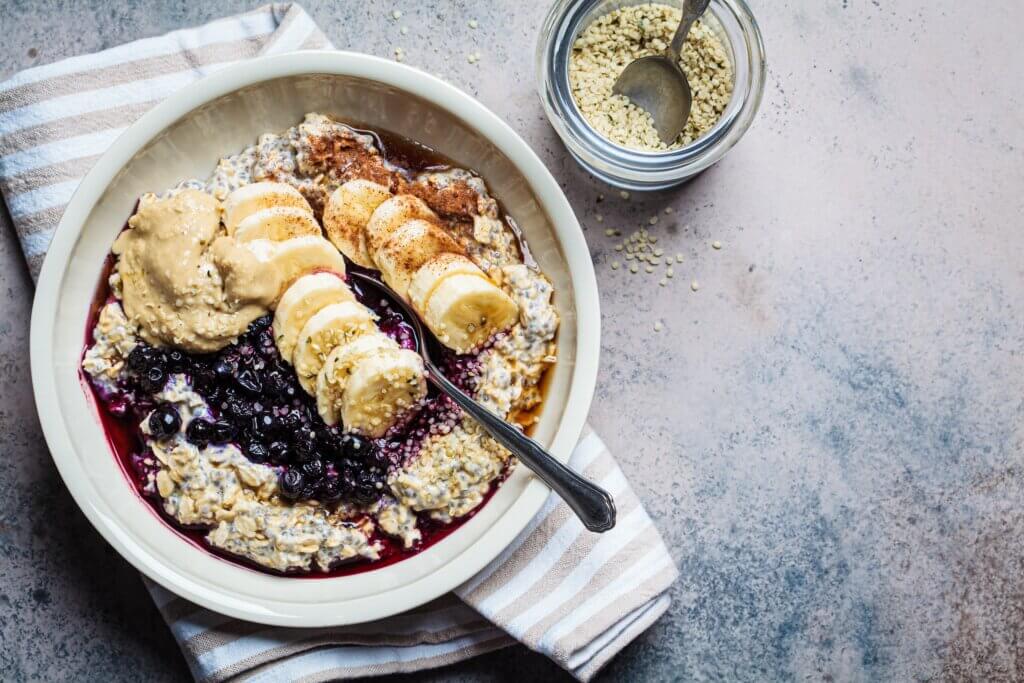
Sometimes the most helpful thing is a concrete example. Below is a sample day of eating designed around the best foods for colon health.
It’s not a strict meal plan you have to follow exactly. It’s meant to show you what a satisfying, realistic, colon-healthy day of food actually looks like, and to give you a starting point you can build from.
The goal is roughly 30 to 35 grams of fiber throughout the day, paired with plenty of water.
High Fiber Colon Health Breakfast: Overnight Oats with Berries and Flaxseed
Start your morning with the colon health food trifecta: a bowl of overnight oats made with rolled oats, plain kefir or yogurt and a handful of mixed berries. Stir in one tablespoon of ground flaxseed before you put it in the refrigerator the night before.
Oats are an excellent source of soluble fiber, which feeds your beneficial gut bacteria and helps maintain steady energy.
- Berries bring antioxidants and additional fiber without much sugar.
- Ground flaxseed adds omega-3 fatty acids and a gentle fiber boost.
- The kefir or yogurt provides probiotics to support a healthy gut microbiome.
Estimated fiber: around 10 to 12 grams.
Blood Sugar Balancing Morning Snack: Apple Slices with Almond Butter
An apple with the skin on paired with two tablespoons of almond butter is a simple, satisfying snack that keeps hunger steady between meals.
- Apples contain quercetin, an antioxidant with anti-inflammatory properties, along with both soluble and insoluble fiber.
- Almond butter adds vitamin E and healthy fats that help you absorb fat-soluble nutrients throughout the day and help with satiety.
Estimated fiber: around 5 grams.
High Fiber Lunch: Lentil Salad with Mixed Greens and Walnuts
Build a hearty colon healthy salad over a base of mixed greens. Add a generous scoop of cooked lentils, halved cherry tomatoes, sliced cucumber and a small handful of walnuts. Dress it with olive oil and fresh lemon juice.
- When it comes to the best foods for colon health, lentils are one of the most fiber-dense options available, with around 8 grams of fiber per half-cup cooked serving. They also provide plant-based protein and are among the best foods for colon health with the most consistent research support.
- Cherry tomatoes deliver lycopene, an antioxidant with particular relevance to colorectal health.
- Walnuts provide omega-3 fatty acids and additional fiber in a form that is easy to add to almost any meal.
- Olive oil supports the absorption of fat-soluble antioxidants while adding a mild anti-inflammatory effect of its own. The ultimate drizzle to amp up this collection of colon health promoting foods.
Estimated fiber: around 12 to 14 grams.
Dinner: Grilled Salmon with Roasted Cruciferous Vegetables and Quinoa
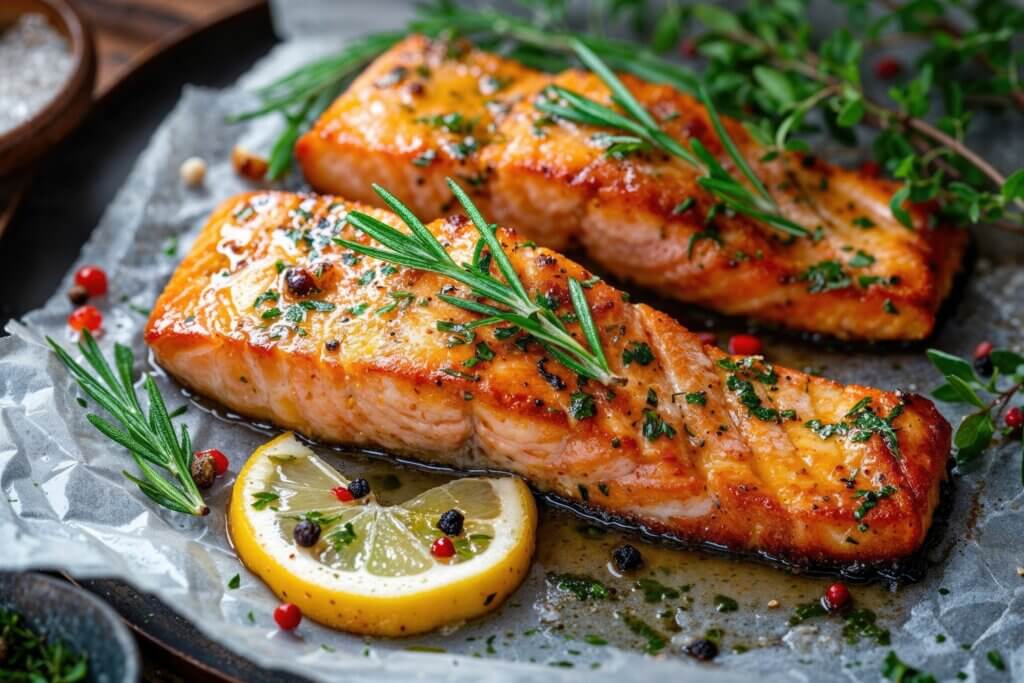
Finish the day of high fiber colon health promoting foods with a satisfying plate of baked or grilled salmon alongside roasted broccoli and Brussels sprouts, served over a portion of cooked quinoa.
- Salmon delivers omega-3 fatty acids and vitamin D, both of which are among the best foods for colon health for a reason: they support colon cell function in ways that few other nutrients can match.
- Broccoli and Brussels sprouts are two of the most studied cruciferous vegetables for colon protection, providing fiber and the sulforaphane compounds discussed earlier.
- Quinoa is a complete protein and a whole grain that contributes additional fiber while keeping the meal gluten-free for those who need it.
Estimated fiber: around 8 to 10 grams.
The Perfect Companion for the Best Foods for Colon Health: Water
This is one of the most consistently overlooked parts of a high fiber diet for colon health.
Without enough water, a high fiber diet can actually cause constipation instead of relieving it. Aim for at least eight cups of water per day, and more if you are active.
Pro Tip: Herbal teas and broths count toward your daily fluid intake as well.
When Incorporating a High Fiber Colon Friendly Diet, Increase Fiber Gradually
If your current diet is low in fiber, do not jump to 35 grams overnight. A rapid increase can cause bloating, gas and discomfort that may make you want to give up before you see the benefits.
Increasing your intake gradually to give your digestive system time to adapt. Think of it as a gradual renovation rather than a full demolition. Your gut will thank you for your patience.
A High Fiber Colon Health Diet is Only Part of the Cancer Prevention Puzzle
A colon cancer prevention diet full of high fiber foods is one of the most powerful things you can do for your long-term health. But even eating a diet with all the right foods for colon health every single day cannot replace the value of regular screening.
New colorectal cancer screening recommendations advise screening begins at age 45 for average-risk adults, lowering the previous recommendation from age 50. That change came in direct response to rising colorectal cancer rates in adults under 50.
Choosing a diet of the best foods for colon health is a meaningful act of self-care and cancer prevention. So is scheduling your colonoscopy, the gold standard in colorectal cancer screening.
If you are 45 or older, or if you have risk factors that warrant earlier screening, the team at Aspen Valley Health is here to guide you through every step of the process.
Reach out to our team today to schedule your screening or to speak with one of our providers about the best diet for colon health for your individual needs.
Featured Health Services


Gastroenterology
View Aspen Valley Health's available gastroenterology (GI) services.
Gastroenterology